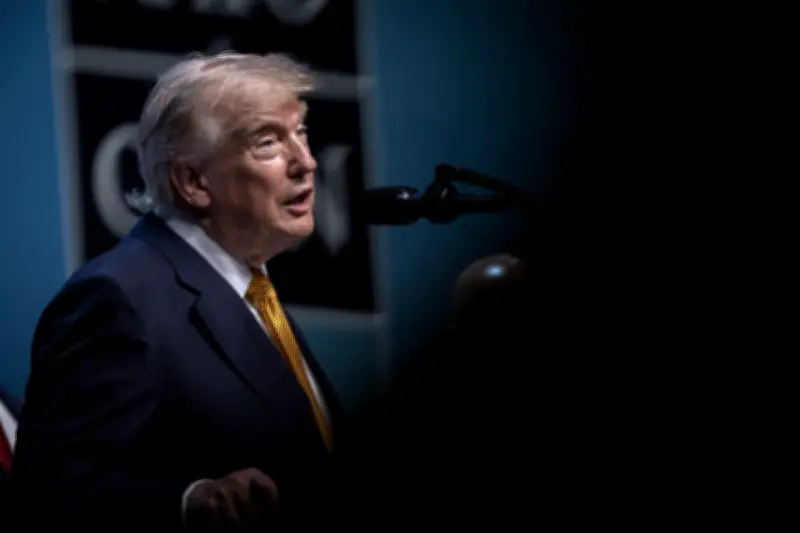
Former President Donald Trump's repeated threats to withdraw the United States from NATO have resulted in a cascade of diplomatic mishaps, according to multiple current and former officials. The threats, which intensified during his 2024 campaign, have undermined alliance cohesion and given strategic advantages to Russia and China.
Impact on Alliance Unity
Trump's rhetoric has caused deep divisions among NATO members. In a closed-door meeting in Brussels last month, several European ambassadors expressed alarm over the possibility of a US exit. According to a senior European diplomat, "The uncertainty has paralyzed decision-making on defense spending and troop deployments." The diplomat added that some member states are now exploring bilateral security agreements outside the NATO framework, a move that could fragment the alliance.
Strategic Advantages for Adversaries
US intelligence assessments indicate that Russia has capitalized on the discord. A declassified report from the Office of the Director of National Intelligence stated that "Moscow views Trump's threats as an opportunity to weaken NATO's collective defense posture." The report noted a 30% increase in Russian military exercises near NATO borders since Trump's most recent threat in March 2026.

Domestic Political Fallout
Trump's stance has also stirred controversy within the US. Senate Minority Leader Chuck Schumer called the threats "reckless and dangerous," urging the Biden administration to reaffirm commitments. However, Trump allies in Congress have introduced a bill requiring a two-thirds Senate vote to withdraw from NATO, a move that critics say could further politicize the alliance.
Economic Implications
Defense stocks have fluctuated amid the uncertainty. Lockheed Martin and Raytheon saw a 5% drop in share prices after Trump's latest comments, while European defense companies like BAE Systems gained 3% as investors anticipated increased European defense spending. NATO Secretary General Jens Stoltenberg warned that "any perceived weakness in Article 5 commitments will embolden aggressors and increase the risk of conflict."
Historical Context
This is not the first time Trump has targeted NATO. During his presidency, he repeatedly criticized member states for not meeting the 2% GDP defense spending guideline. However, the current threats are seen as more severe because they come amid ongoing conflicts in Ukraine and rising tensions in the Indo-Pacific. A former US ambassador to NATO said, "The damage to trust will take years to repair, even if the threats are never carried out."
Reactions from Allies
European leaders have responded with a mix of diplomacy and contingency planning. French President Emmanuel Macron described the situation as "a test of our collective resolve," while German Chancellor Olaf Scholz announced a €10 billion fund to bolster European defense capabilities independently of NATO. In Eastern Europe, Poland and the Baltic states have accelerated their own military modernization programs.
Conclusion
The cumulative effect of Trump's threats has been a erosion of the alliance's deterrent power. As one NATO official put it, "The biggest risk is not that the US leaves NATO, but that the alliance becomes so fractured it can no longer function effectively." The Biden administration continues to reassure allies, but the damage may already be done.