Beach Closed After Hazardous Material Discovery
A regional beach in North Queensland has been closed to the public after mysterious, potentially toxic debris washed ashore on Friday afternoon. The material was found along Forrest Beach, located approximately 80 kilometres north of Townsville, prompting an immediate emergency response.
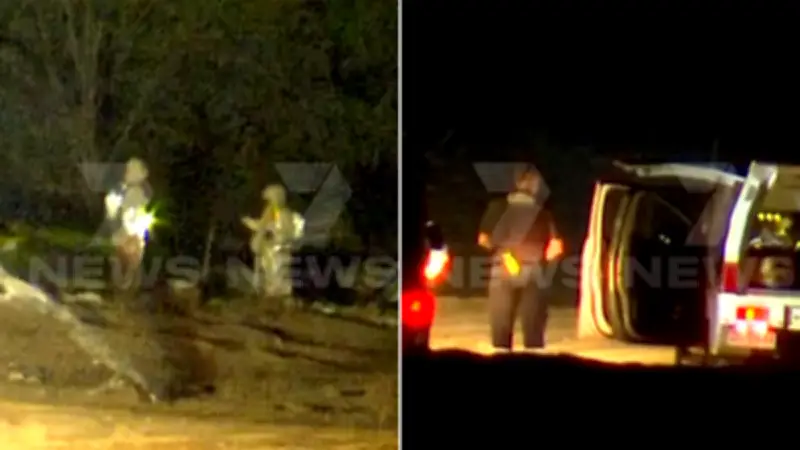
Emergency services rushed to the scene and cordoned off access to the beach while investigations were launched to determine the origin of the debris. 7NEWS footage captured investigators scouring the shoreline before police ordered them to leave, indicating the situation was more severe than initially thought.
Satellite Debris Suspected
Initial reports suggest the material is debris from a crashed satellite, specifically a hydrogelic propellant, according to police. This propellant is marketed as an eco-friendly alternative to the highly reactive and flammable fuels commonly used in satellites. However, authorities remain cautious and are awaiting confirmation on the source of the debris before reopening the beach.

“We are treating this as a potentially hazardous material until we have definitive answers,” a police spokesperson said. The beach will remain closed until further notice.
Public Urged to Stay Away
Locals and tourists have been advised to avoid the area and not to touch any unusual objects washed ashore. The Queensland Department of Environment and Science has been notified and is assisting with the investigation. Samples of the debris have been collected for analysis.
“We understand the community’s curiosity, but public safety is our top priority,” the spokesperson added. Forrest Beach is a popular destination for fishing and swimming, and its closure has disrupted weekend plans for many.
What Is Hydrogelic Propellant?
Hydrogelic propellant is a relatively new technology used in some satellites as a safer, more environmentally friendly fuel. Unlike traditional hydrazine-based propellants, which are highly toxic and explosive, hydrogelic propellant is designed to be less hazardous. However, its long-term environmental impact and toxicity when exposed to air or water are not fully understood, prompting the cautious response from authorities.
The incident has raised questions about the increasing amount of space debris re-entering Earth’s atmosphere and the potential risks to coastal communities. Satellite operators are expected to provide more information as the investigation progresses.