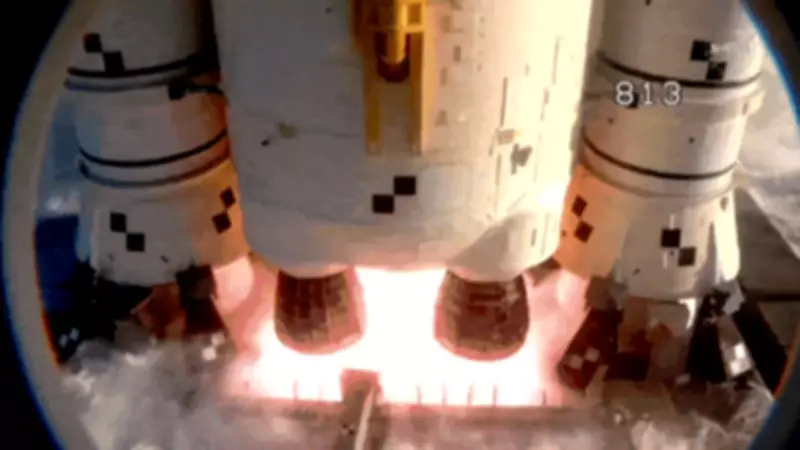
Artemis Moon Mission Launch Marks Historic Step in Space Exploration
The Artemis moon mission has successfully launched, heralding a new chapter in human space exploration. This ambitious project, led by NASA, aims to return astronauts to the lunar surface by 2026, with the ultimate goal of establishing a sustainable presence that could pave the way for future missions to Mars.
Key Objectives of the Artemis Mission
The Artemis program is designed to achieve several critical milestones in space exploration. First, it will land the first woman and the next man on the Moon, focusing on the lunar South Pole, a region believed to contain water ice and other resources. This mission is not just about planting flags; it is about building a foundation for long-term exploration.
Scientists and engineers have outlined the following primary goals:

- Conduct scientific research to understand the Moon's geology and potential resources.
- Test new technologies, such as advanced life support systems and habitats, in the harsh lunar environment.
- Develop international partnerships, with contributions from agencies like ESA and JAXA, to foster global cooperation in space.
Technological Innovations and Challenges
The launch involved cutting-edge technology, including the Space Launch System (SLS) rocket and the Orion spacecraft. These systems are designed to be more powerful and reliable than previous missions, capable of carrying crew and cargo to deep space destinations. However, the mission faces significant challenges, such as radiation exposure, long-duration space travel, and the logistical complexities of sustaining human life on the Moon.
Experts emphasize that overcoming these hurdles is essential for the success of Artemis and future endeavors. This mission serves as a crucial testbed for technologies that will be vital for Mars exploration, including in-situ resource utilization and autonomous operations.
Implications for Future Space Exploration
The Artemis mission has far-reaching implications beyond the Moon. By establishing a lunar base, NASA aims to create a stepping stone for human missions to Mars and other deep space destinations. This could lead to new scientific discoveries, economic opportunities in space mining, and enhanced international collaboration.
Moreover, the mission inspires a new generation of scientists, engineers, and explorers, fostering innovation and education in STEM fields. As the world watches this historic launch, it marks a pivotal moment in humanity's quest to explore the cosmos and expand our presence beyond Earth.