Prime Minister Albanese Delivers Major Address on Middle East Crisis
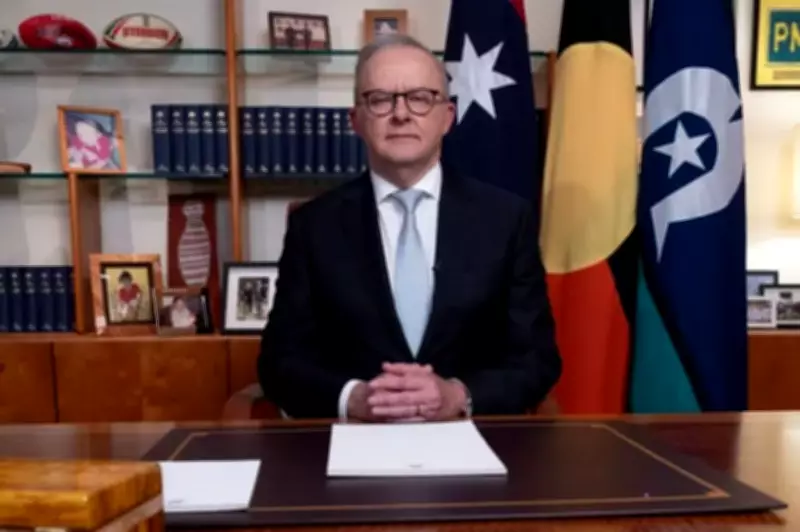
In a significant national address, Prime Minister Anthony Albanese has articulated Australia's official position on the ongoing Middle East conflict, underscoring the nation's commitment to diplomatic solutions and humanitarian assistance. The speech, delivered to a broad audience, highlighted the complexities of the geopolitical landscape and Australia's role in fostering stability in the region.
Key Points from the Address
Albanese emphasized that Australia remains steadfast in its support for peaceful resolutions to conflicts, advocating for dialogue and international cooperation. He noted that the Middle East situation requires a nuanced approach, balancing security concerns with the urgent need for humanitarian relief for affected populations.
Humanitarian Focus: The Prime Minister detailed plans for increased aid contributions, aiming to address the immediate needs of civilians caught in the crossfire. He stressed that Australia's foreign policy prioritizes human rights and the protection of vulnerable communities.

Diplomatic Engagement: Albanese called for renewed efforts in multilateral forums, urging global partners to collaborate on de-escalation strategies. He reaffirmed Australia's alliances while advocating for independent diplomatic initiatives tailored to the region's specific challenges.
Implications for Australian Foreign Policy
This address signals a potential shift in Australia's foreign policy approach, with a greater emphasis on proactive diplomacy and humanitarian leadership. Analysts suggest that Albanese's statements could influence future international engagements and aid allocations.
- Enhanced diplomatic missions in the Middle East
- Increased funding for humanitarian organizations
- Strengthened bilateral relations with key regional players
The Prime Minister's speech has garnered attention from both domestic and international observers, with many praising its balanced tone and focus on practical solutions. However, some critics argue that more concrete actions are needed to back up the rhetoric.
Public and Political Reactions
Initial reactions to the address have been mixed, with support from allies and scrutiny from opposition parties. The speech is expected to spark further debate in Parliament regarding Australia's role in global conflicts.
- Positive feedback from humanitarian groups
- Calls for detailed policy follow-ups from political analysts
- Ongoing discussions in media and public forums
Overall, Albanese's address marks a pivotal moment in Australia's foreign policy discourse, setting the stage for future initiatives in the Middle East and beyond. The government's next steps will be closely monitored as the situation evolves.