US-Iran Tensions Escalate Under Trump's Administration
In a significant development, tensions between the United States and Iran have sharply escalated, with recent actions attributed to the administration of former President Donald Trump leading to multiple fatalities. This escalation has sparked widespread international concern, as the global community watches closely for signs of further conflict in the volatile Middle East region.
Background of the Rising Conflict
The longstanding geopolitical rivalry between the US and Iran has been marked by decades of diplomatic standoffs, economic sanctions, and occasional military confrontations. Under Trump's presidency, the relationship deteriorated further, with policies such as the withdrawal from the Iran nuclear deal and targeted strikes against Iranian officials. These moves have consistently fueled animosity, setting the stage for the recent deadly incidents that have now resulted in loss of life.
Details of the Fatal Incidents
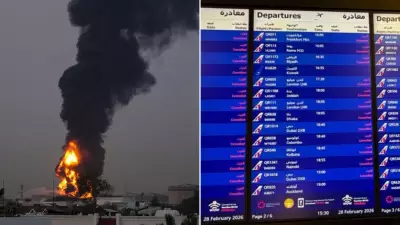
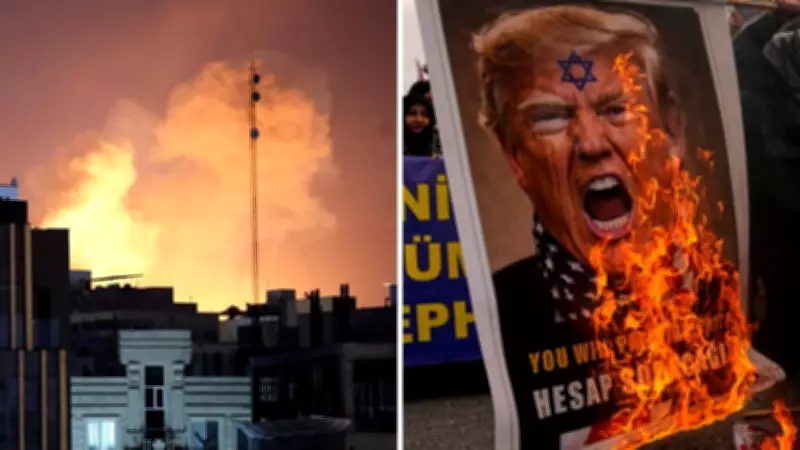
According to reports, the fatalities occurred during a series of confrontations in the region, involving both direct and indirect engagements between US forces and Iranian-backed militias. While specific numbers and locations are still being verified, initial accounts indicate that the casualties include military personnel and civilians caught in the crossfire. The incidents underscore the high stakes of the ongoing tensions, with each side accusing the other of provocation and aggression.

Global Reactions and Implications
The international response has been swift, with key allies and organizations expressing alarm over the potential for a broader conflict. Nations in the Middle East, as well as global powers like Russia and China, have called for restraint and diplomatic solutions. Analysts warn that if tensions continue to mount, it could destabilize not only the region but also impact global oil markets and security alliances, making this a critical issue for world leaders to address urgently.
Looking Ahead: Potential Outcomes
As the situation unfolds, experts are divided on the likely outcomes. Some predict a de-escalation through back-channel negotiations, while others fear that the fatalities could trigger a cycle of retaliation, leading to a full-scale military confrontation. The role of current US leadership and international mediation efforts will be crucial in determining whether peace can be restored or if the region is headed toward further violence.