US and Israel Launch Coordinated Military Strike on Iran
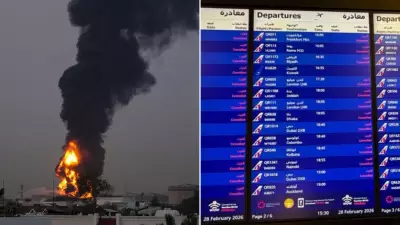
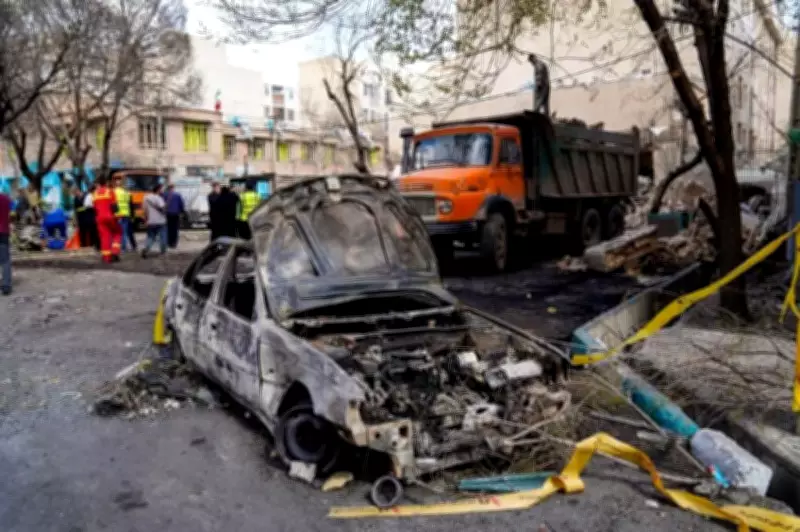
In a dramatic escalation of tensions in the Middle East, the United States and Israel have conducted a coordinated military strike on Iran. The operation, which occurred in the early hours of the morning, targeted multiple key facilities across Iran, including military installations and nuclear research sites. Officials from both nations have confirmed the action, stating it was a preemptive measure to counter perceived threats from the Iranian regime.
Details of the Strike Operation
The strike involved a combination of aerial and missile attacks, with US forces providing logistical support and intelligence, while Israeli fighter jets executed the primary assaults. Reports indicate that the targets included advanced missile systems and uranium enrichment plants, which have long been a point of contention in international diplomatic circles. The operation was meticulously planned over several months, with joint task forces coordinating to minimize civilian casualties and maximize strategic impact.
International Reactions and Diplomatic Fallout
Global leaders have responded with a mix of condemnation and cautious support. The United Nations has called for an emergency session to address the situation, while allies such as the United Kingdom and Australia have expressed concern over the potential for broader regional conflict. Iran has vowed retaliation, with its military command issuing statements promising swift and severe responses. This development threatens to destabilize already fragile diplomatic efforts in the region, including ongoing nuclear negotiations.

Background and Strategic Implications
This strike follows years of escalating proxy conflicts and cyber warfare between Iran and its adversaries. Analysts suggest that the coordinated action by the US and Israel signals a shift towards more direct military engagement, potentially altering the geopolitical landscape of the Middle East. The move is seen as a bold statement against Iran's expanding influence, particularly in Syria and Yemen, where Iranian-backed militias have been active.
Key points to note:
- The strike targeted military and nuclear facilities to disrupt Iran's capabilities.
- It was a joint effort, highlighting strengthened US-Israel defense cooperation.
- International reactions are divided, with fears of escalating into a wider war.
- Iran has pledged retaliation, raising concerns about further violence in the region.
As the situation unfolds, experts warn that this strike could lead to increased hostilities, affecting global oil markets and security dynamics. The world watches closely, with many hoping for de-escalation through diplomatic channels to prevent a full-scale conflict.