Operation Epic Fury: Middle East Conflict Escalates to Europe in Second Week of War
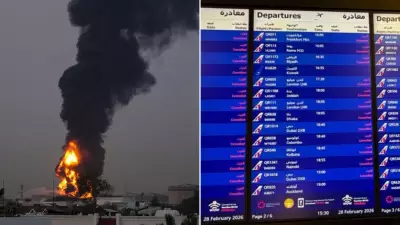
The war in the Middle East has now entered its second week, with the conflict dramatically spreading to Europe and escalating across the entire region. This expansion follows a series of devastating air strikes launched by the United States and Israel against Iran, which resulted in the death of Ayatollah Ali Khamenei and several senior Iranian leaders. The military action, officially dubbed Operation Epic Fury, has sent profound shockwaves through critical global sectors, including shipping, air travel, and oil production.
Global Economic Impact and Strategic Waterway Disruption
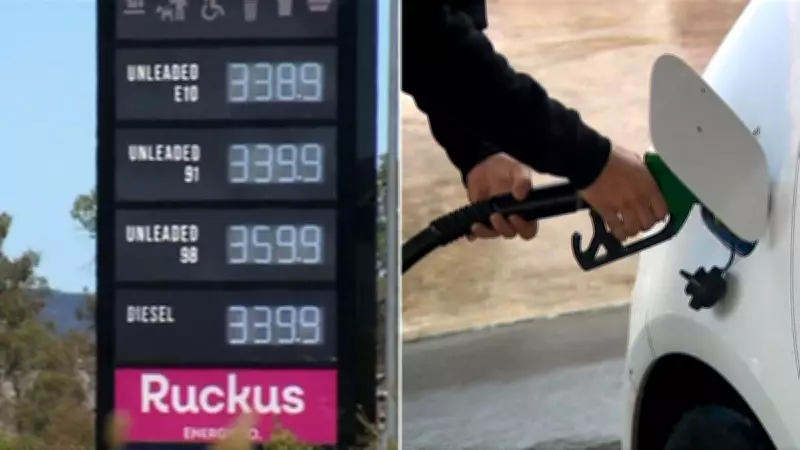
Amid the escalating violence, experts are issuing urgent warnings about rising energy costs and significant disruption to international business operations. The strategic Strait of Hormuz, a vital global trade hub, has become a focal point of concern. Iran has reportedly imposed a blockade on this crucial waterway, which is the world's busiest oil shipping lane, threatening to strangle the flow of oil and goods worldwide.
The economic repercussions are already being felt, with industries from logistics to finance bracing for prolonged instability. The disruption to shipping routes and air travel corridors is expected to cause delays, increased costs, and potential shortages of essential commodities across multiple continents.

Historic International Response to Stabilize Oil Markets
In a historic move aimed at curbing the skyrocketing oil prices triggered by the conflict, members of the International Energy Agency have agreed to an unprecedented release of oil reserves. A staggering 400 million barrels of oil will be made available to the global market, marking the largest strategic release of oil in history.
This decisive action involves 32 countries, including Australia, collaborating to counter the blockade Iran has enforced on the Strait of Hormuz. The scale of this release dwarfs previous efforts, such as the 2022 release of 180 million barrels during the Russia-Ukraine war, highlighting the severity of the current crisis.
The coordinated international effort is designed to alleviate pressure on energy markets, prevent economic collapse, and ensure a steady supply of oil despite the geopolitical turmoil. However, analysts caution that while this measure may provide temporary relief, the long-term stability of global energy supplies remains precarious as the war continues to escalate.