Middle East Conflict Intensifies, Spreading to Europe in Second Week of Warfare
The ongoing war in the Middle East has now entered its second week, with the conflict dramatically escalating and spreading to Europe following coordinated air strikes by the United States and Israel against Iran. These devastating attacks resulted in the death of Ayatollah Ali Khamenei along with several senior Iranian leaders, marking a significant escalation in regional hostilities.
Operation Epic Fury Sends Shockwaves Through Global Markets
The military campaign, officially dubbed Operation Epic Fury, has sent profound shockwaves through critical global sectors including international shipping, air travel, and oil markets. Experts are issuing urgent warnings about rapidly rising energy costs and severe disruptions to business operations in the strategic Strait of Hormuz, a vital global trade hub responsible for transporting a substantial portion of the world's oil supplies.
US Officials Question Iran's New Leadership Amidst Uncertainty
US Defence Secretary Pete Hegseth has publicly claimed that Iran's new Supreme Leader, Mojtaba Khamenei, is wounded and likely disfigured, casting serious doubts about his ability to effectively govern the nation. This assessment comes after nearly two weeks of sustained US and Israeli attacks targeting Iranian infrastructure and leadership.

No images have been released of Mojtaba Khamenei since an Israeli strike at the conflict's outset killed much of his immediate family, including his father and wife. His first public communication emerged as a written statement read by a television presenter, where he vowed to keep the Strait of Hormuz completely shut while calling on neighboring countries to close US military bases on their territory or face potential Iranian retaliation.
"We know the new so-called not so supreme leader is wounded and likely disfigured," Hegseth stated during a briefing. "He put out a statement yesterday. A weak one, actually, but there was no voice and there was no video. It was a written statement. Iran has plenty of cameras and plenty of voice recorders. Why a written statement? I think you know why. His father - dead. He's scared, he's injured, he's on the run and he lacks legitimacy."
Trump Issues Chilling Threats as Oil Prices Volatile
Former President Donald Trump has declared that the United States will be hitting Iran "very hard over the next week," shortly after issuing a partial 30-day waiver for purchases of sanctioned Russian oil. This move aims to ease prices that have been dramatically fuelled by the ongoing US-Israeli military campaign against Iran.
Global oil prices have experienced extreme volatility in response to Trump's fluctuating comments regarding the war's likely duration. The conflict has prompted Iran to attack multiple vessels in the strategically crucial Strait of Hormuz, which serves as the primary conduit for approximately one-fifth of the world's total oil supply.
Trump has previously declared the war "complete" while simultaneously promising to guarantee vessel safety in the strait. During a recent Fox News interview, Trump asserted that the US would escort shipping through the region "if we needed to." Benchmark Brent crude prices have eased slightly but remain nearly 40 percent higher since the conflict's violent outbreak.
Hezbollah Leader Defiant Amidst Growing Regional Casualties
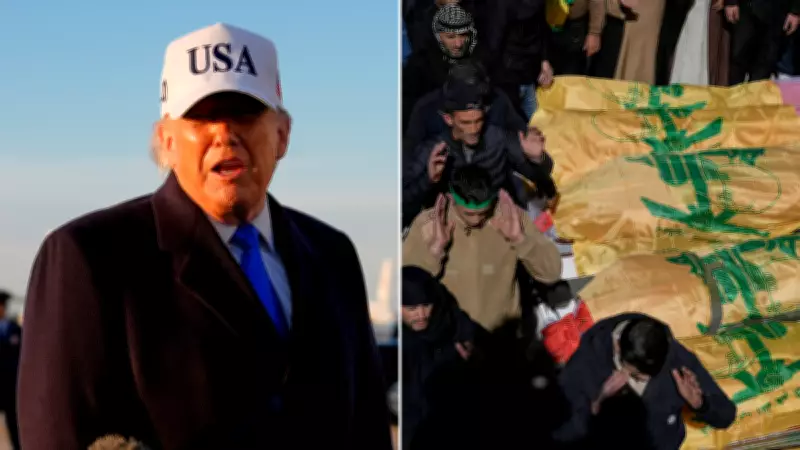
The leader of Lebanon-based militia group Hezbollah, Naim Qassem, has declared that his fighters remain unafraid of Israel's threats of expanded warfare. Qassem stated the group is fully prepared for a "long confrontation" with Israel following the onset of war in Iran.
Hezbollah launched rockets across Lebanon's southern border into Israel during the conflict's first week, marking the first such aggression since the signing of a peace treaty in 2024. Israel responded by targeting Hezbollah members throughout Lebanon, including striking buildings in the southern suburbs of Beirut.
Despite hundreds being killed in these retaliatory attacks, Qassem emphasized in a televised address that "the enemy's threats do not frighten us." He added, "God willing, they will be surprised on the battlefield. This is an existential battle, not a limited or simple battle."

Humanitarian Toll Mounts as Conflict Expands
After nearly two weeks of intense warfare, approximately 2000 people have been killed, with the majority of casualties occurring in Iran. Significant numbers have also perished in Lebanon, while a growing number of fatalities are being reported throughout the Gulf region, which finds itself on the front lines of Middle East conflict for the first time in decades.
The expanding war has created unprecedented challenges for global diplomacy, regional stability, and international trade networks, with no immediate resolution in sight as military operations continue to intensify across multiple theaters of conflict.