Middle East Conflict Fuels Economic Anxiety in Australia, Threatens Inflation Control
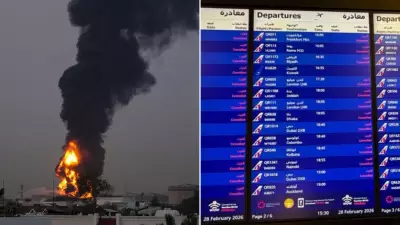
The fallout from the ongoing conflict in the Middle East is steadily spreading across the globe, and Australia is far from immune. Warnings are mounting about rising fuel costs, potential interest rate hikes, and inflated grocery prices, creating significant economic uncertainty for households and businesses alike.
Reserve Bank Governor Issues Stark Inflation Warning
It isn’t just fuel price rises causing concern. Reserve Bank Governor Michele Bullock warned on Tuesday that there could be more pain on the way. "A supply shock of this nature, for example, could add to inflation pressures," Bullock said. She noted that it’s too early to tell how the Iran conflict will impact Australia’s economy but admitted that inflation and interest rates could stay higher for longer. "Events are moving rapidly and there are different ways that this can play out," she added, highlighting the volatile nature of the situation.
Immediate Impact on Fuel Markets and Consumer Behavior
The fallout is already being felt on global oil markets. In Australia, wholesale regular unleaded has jumped 5.5 cents a litre since Saturday, with diesel up five cents. "What happens in the Middle East in the next few days and weeks will be critical," said NRMA’s Peter Khoury. Despite Energy Minister Chris Bowen assuring that "Australia enters this period of great instability very well prepared. There is no need to rush to the service station and fill up," some Australians are taking precautionary measures. Drivers reported queuing for petrol, with one stating, "The price is going to go up," and another adding, "I’m just coming in because I saw the line up and, you know, war’s going on."

Broader Economic Consequences and Supply Chain Disruptions
Economists warn that when fuel prices rise, it flows through the entire economy, impacting transport, groceries, goods, and services. Disruption to global supply chains could cause further price pain. Global supply chain expert Kelly Crossley explained that air freight is the issue for immediate impact, but longer-term concerns centre on sea freight. "Food, furniture, electronics, machinery, sporting equipment, everything. Everything is pretty much imported," she said, underscoring the widespread vulnerability of Australian markets to international disruptions.
Inflation and Interest Rate Pressures Intensify
If fuel prices rise and remain high, it will make inflation even harder to control. The next interest rate decision is in a fortnight, with the door open for back-to-back hikes. Bullock clarified, "I’m not making a prediction about March, but it will be a live meeting," indicating that the conflict will be a key factor in monetary policy discussions. Meanwhile, families continue to struggle, with one person describing the situation as "dire," reflecting the growing financial strain on households across the nation.