The Israeli government has announced a significant decision that will reshape the humanitarian landscape in Gaza, confirming it will suspend the operations of several major international aid organisations within the territory. The move, set to take effect from the start of 2025, is based on undisclosed security assessments and is expected to have profound consequences for the civilian population.
Details of the Suspension Order
According to the official announcement, the suspension order will come into force on January 1, 2025. While the Israeli government has not publicly released a full list of the affected groups, it confirmed that the decision targets organisations whose activities it claims have been compromised or have posed security risks. The rationale provided centres on allegations that these groups' operations have, directly or indirectly, aided militant factions within the Gaza Strip.
This policy shift represents a hardening of Israel's stance regarding the flow of aid into Gaza. Authorities stated that the suspension is a necessary measure to safeguard Israel's national security interests. The announcement did not specify a timeframe for the suspension, leaving it open-ended and contingent on future security evaluations. This lack of clarity adds to the uncertainty facing both aid workers and recipients.

Immediate Humanitarian Concerns
The decision has triggered immediate alarm among global humanitarian bodies and foreign governments. The organisations facing suspension are pivotal in delivering essential services to Gaza's two million residents. Their work encompasses critical areas including:
- Food distribution and nutritional support
- Primary healthcare and medical supply provision
- Water, sanitation, and hygiene programs
- Educational support and shelter assistance
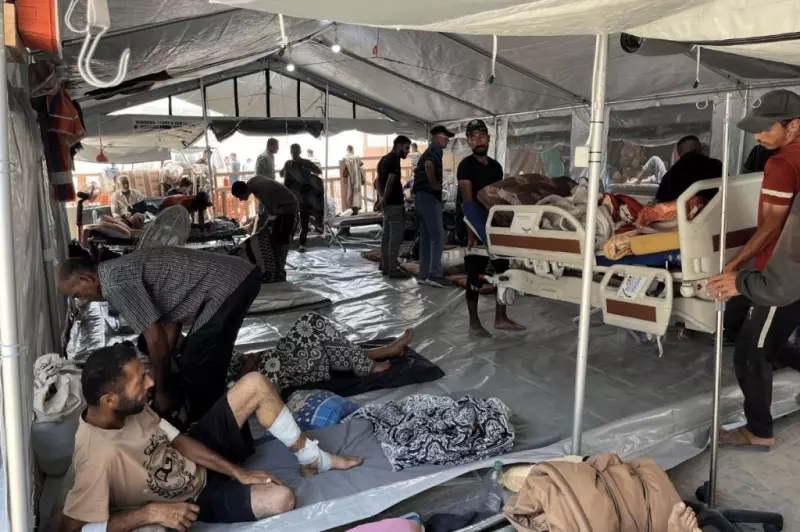
With Gaza's economy crippled by longstanding blockades and recurrent conflicts, these international aid groups form a lifeline for a large portion of the population. Their sudden removal from operations threatens to create severe gaps in service delivery, potentially exacerbating already dire conditions. Aid officials warn of a rapid deterioration in public health and food security if alternative arrangements are not established swiftly.
International Reactions and Future Implications
The announcement has drawn sharp criticism from several quarters. Key donor nations and United Nations agencies have expressed deep concern, urging Israel to reconsider or, at a minimum, ensure a coordinated transition to prevent a total collapse of humanitarian support. Diplomatic channels are reportedly active, with efforts underway to seek clarifications and negotiate possible exemptions or compromises.
Analysts suggest this move could further isolate Israel on the international stage regarding its Gaza policy. It also raises complex questions about the future model of aid delivery in conflict zones where governing authorities impose strict operational controls. The coming months will be critical as aid agencies scramble to adapt their programs, and the international community assesses its response to what many fear could be a deliberate precipitating of a deeper humanitarian crisis.
For the people of Gaza, the news heralds a period of intensified anxiety. The suspension of these aid organisations effective in 2025 casts a long shadow over their immediate future, making an already precarious existence even more uncertain. The world now watches to see if diplomatic pressure can alter the trajectory or if mitigation plans can be forged in time to avert the worst outcomes.