Iran and United States Edge Closer to War After Gulf Confrontation
The geopolitical landscape has been dramatically reshaped as Iran and the United States stand on the precipice of a major military conflict. This alarming development follows a series of missile strikes in the strategic waters of the Gulf, marking one of the most severe escalations in recent years.
Missile Attacks Trigger Immediate Retaliation
According to verified reports, Iranian forces launched a barrage of ballistic missiles targeting US naval vessels patrolling the Gulf region. The attack, which occurred in the early hours of Thursday, resulted in significant damage to at least two American ships, though casualties have been kept under wraps by military officials.
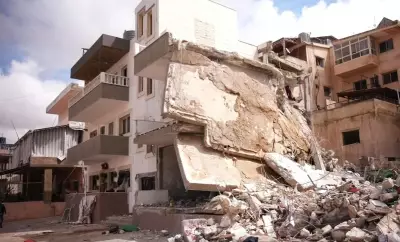
In a swift and decisive response, the United States executed retaliatory strikes on Iranian military installations along the coastline. These countermeasures have reportedly destroyed key defense assets and infrastructure, further inflaming tensions between the two long-standing adversaries.

Global Reactions and Diplomatic Fallout
The international community has reacted with profound concern. Key allies and global powers are urgently calling for de-escalation, fearing that the situation could spiral into a full-scale war with catastrophic implications for global stability and energy markets.
- United Nations officials have convened emergency sessions to address the crisis.
- European Union leaders are pushing for immediate diplomatic interventions.
- Regional neighbors, including Saudi Arabia and Israel, are on high alert, monitoring developments closely.
Diplomatic channels, previously strained by nuclear negotiations and regional proxy conflicts, are now under immense pressure. The breakdown in communication between Tehran and Washington has left little room for peaceful resolution, according to analysts.
Historical Context and Escalating Tensions
This confrontation is not an isolated incident but the culmination of years of escalating hostilities. Since the collapse of the Iran nuclear deal, relations have deteriorated, with both nations engaging in a tit-for-tat cycle of provocations.
- Previous incidents include drone attacks on oil tankers and cyber warfare campaigns.
- Economic sanctions imposed by the US have crippled Iran's economy, fueling resentment.
- Iran's support for militant groups in the Middle East has been a persistent point of contention.
The current missile exchange represents a dangerous leap from covert operations to open military engagement, raising the stakes significantly.
Potential Consequences and Future Outlook
If hostilities continue to escalate, the consequences could be dire. Experts warn of a regional war that might draw in other nations, disrupt global oil supplies, and lead to a humanitarian crisis. The volatility of the situation underscores the urgent need for cooler heads to prevail.
As the world watches anxiously, the next moves by both Iran and the United States will be critical. Military analysts suggest that further provocations could trigger a broader conflict, while diplomatic efforts remain the best hope for averting disaster.
This unfolding crisis serves as a stark reminder of the fragile nature of international relations and the high costs of miscalculation in an increasingly unstable world.