Hong Kong Media Tycoon Jimmy Lai Sentenced to Prison in Landmark Case
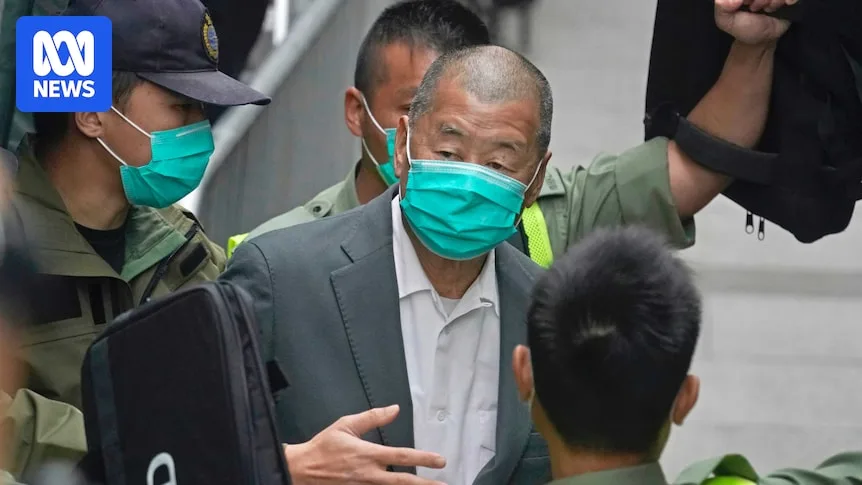
Hong Kong media tycoon Jimmy Lai has been sentenced to prison in a high-profile case that has drawn international attention and criticism. The verdict, delivered by a Hong Kong court, marks a significant moment in the city's legal landscape under China's national security law.
Details of the Sentencing and Charges
Lai, the founder of the now-defunct Apple Daily newspaper, was found guilty on multiple charges related to his media activities. The court ruled that his actions violated provisions of the national security law, which was imposed by Beijing in 2020 to curb dissent in Hong Kong. Prosecutors argued that Lai's publications and public statements threatened national security by promoting anti-government sentiments.
The sentencing comes after a lengthy trial that saw Lai detained for an extended period without bail. His legal team has consistently denied the charges, claiming they are politically motivated and aimed at silencing critical voices in the media. Supporters of Lai have rallied outside the courthouse, holding signs and chanting slogans in defense of press freedom.
International Reaction and Implications for Press Freedom
The case has sparked widespread condemnation from human rights groups and Western governments. Organizations such as Amnesty International and Reporters Without Borders have issued statements warning that the verdict sets a dangerous precedent for journalism in Hong Kong. They argue that it could lead to further erosion of civil liberties in the city, which was once known for its robust free press.
In response, Chinese authorities have defended the ruling, stating that it upholds the rule of law and protects national sovereignty. Officials emphasize that the national security law is necessary to maintain stability in Hong Kong, which has seen protests and unrest in recent years. However, critics counter that the law is being used to suppress dissent and undermine the "one country, two systems" framework that guaranteed Hong Kong's autonomy.
Background on Jimmy Lai and Apple Daily
Jimmy Lai is a prominent figure in Hong Kong's media industry, known for his outspoken criticism of the Chinese government. He founded Apple Daily in 1995, and it quickly became one of the city's most popular newspapers, often taking a pro-democracy stance. The publication was forced to cease operations in 2021 after its assets were frozen under the national security law, leading to the arrest of several staff members.
Lai's case is seen as part of a broader crackdown on opposition figures in Hong Kong. Since the implementation of the national security law, dozens of activists, politicians, and journalists have been arrested or charged, raising concerns about the future of freedoms in the city. Observers note that this trend could have long-term effects on Hong Kong's status as a global financial hub.
Looking Ahead: What This Means for Hong Kong
The sentencing of Jimmy Lai is likely to have far-reaching consequences for Hong Kong's media landscape and political environment. Analysts predict that it may lead to increased self-censorship among journalists and media outlets, as they fear similar legal actions. Additionally, the case could strain Hong Kong's relations with international partners, who have expressed alarm over the erosion of human rights.
As the situation unfolds, advocates for press freedom are calling for continued vigilance and support for independent journalism in Hong Kong. They urge the international community to monitor developments closely and hold authorities accountable for upholding fundamental freedoms. The outcome of Lai's appeal, if pursued, will be closely watched as a barometer for the rule of law in the city.