New Allegations: Iranian Women's Football Team Safe House Infiltrated by Staffer
Iran Women's Football Team Safe House Infiltrated by Staffer

New Allegations Emerge Over Iranian Women's Football Team Safe House Infiltration

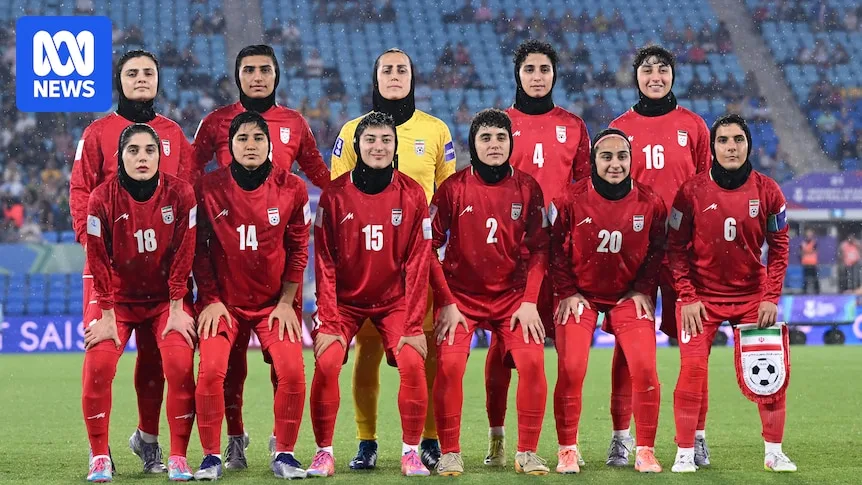
Fresh and disturbing claims have surfaced regarding how a support staff member of the Iran women's national soccer team may have infiltrated a safe house in Australia, playing a pivotal role in persuading players to abandon their asylum applications and return to Iran. This development follows the team's participation in the Asian Cup tournament earlier this month, where fears of persecution upon returning to Iran prompted offers of humanitarian visas from Australian authorities.

Key Figure Under Scrutiny

Zahra Soltan Meshkehkar, also known as Fleur, is identified as a logistics manager for the national women's team. However, she has been described by some sources as an alleged infiltrator linked to the Islamic Revolutionary Guard. After the team was eliminated from the Asian Cup, Ms Meshkehkar and several players applied for asylum in Australia, seeking protection from potential persecution in Iran.

Initially, the group was placed in a secure safe house after Home Affairs Minister Tony Burke approved humanitarian visas, allowing them to extend their stay in Australia. However, new allegations suggest that this arrangement was compromised, leading to a series of events that ultimately saw most players withdraw their asylum claims.

Alleged Infiltration and Coercion

In a video published on Monday, Tracey Holmes, a writer and podcast host for The Sports Ambassador, insinuated that Ms Meshkehkar played a central role in convincing Iranian players to reverse their decisions. According to Holmes, Ms Meshkehkar was taken into the safe house, after which its location was allegedly compromised because details were provided to the Iran embassy in Canberra. This breach forced the entire group to be relocated to a different facility.

Holmes further claimed that Ms Meshkehkar then withdrew her own asylum claim, along with three other players. It is alleged that these players were shown videos and audio recordings of their family members who had been detained by the revolutionary guards in Iran, a tactic that may have coerced them into returning home.

Outcome and Current Status

As a result of these alleged actions, all but two of the footballers have since reneged on their asylum claims and have departed Australia. This turn of events has raised serious questions about the safety and integrity of the asylum process for the Iranian women's football team, highlighting the complex geopolitical pressures at play.

The situation underscores the ongoing challenges faced by athletes from countries with restrictive regimes, where personal safety and family security can become entangled in international sports and political dynamics. Australian authorities have not yet commented on these new allegations, but the case continues to draw attention to issues of human rights and asylum in the context of global sports.