Australia could soon tighten travel restrictions as fears grow over the escalating Ebola outbreak spreading through parts of Central Africa. The deadly virus is currently affecting the Democratic Republic of Congo and Uganda, with warnings it could spread much further without urgent containment measures.
Current Situation in Central Africa
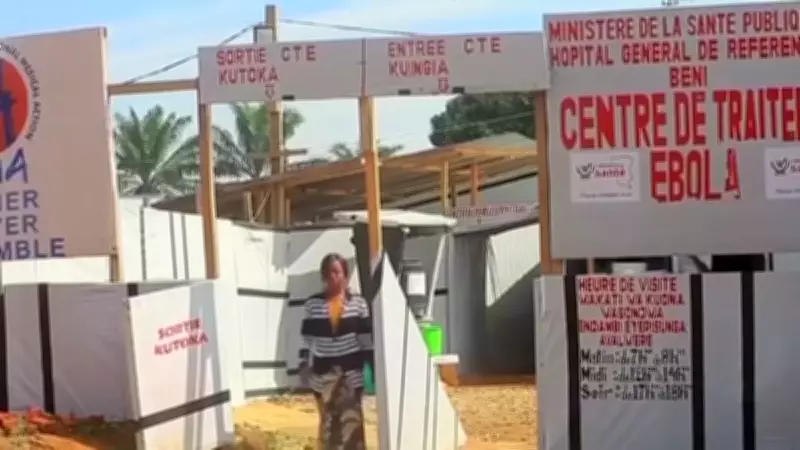
At Ebola's ground zero, nations are battling to contain the viral outbreak by setting up treatment centres and protecting health workers. The latest infected patient is American Dr Peter Stafford, who has been flown out with his wife and four young children.
The United States has now closed its borders to any non-citizen who has been in the affected region over the last three weeks. "There are no cases of Ebola in America. We want to keep it that way," US health official Dr Heidi Overton said.

More medical supplies are being sent to the region as the numbers continue to rise, with 116 deaths and almost 500 cases reported. "Unfortunately, that appears to be the tip of the iceberg, and it seems very likely there's a lot more cases out there," infectious diseases expert Professor Paul Griffin warned.
Australian Government Response
While Australian experts insist there is no threat here at this time, the federal government is considering additional travel restrictions. "They'll be revising or reviewing travel advice for Uganda," Health Minister Mark Butler said.
The virus is lethal, killing one in two people infected. Unlike COVID, it's not airborne but spreads through bodily fluids including blood, sweat and saliva. It can also live on clothes and bedding.
Ebola Symptoms and Impact
Ebola's symptoms begin with severe fevers, headaches and muscle pain, followed by acute gastro symptoms and a rash. The disease then causes total kidney and liver failure, with some patients bleeding from the eyes and nose. The last major Ebola outbreak killed 11,000 people.