Grant Barnes Unveils Wollongong's Secret 1980s Gay Scene and Drag Culture
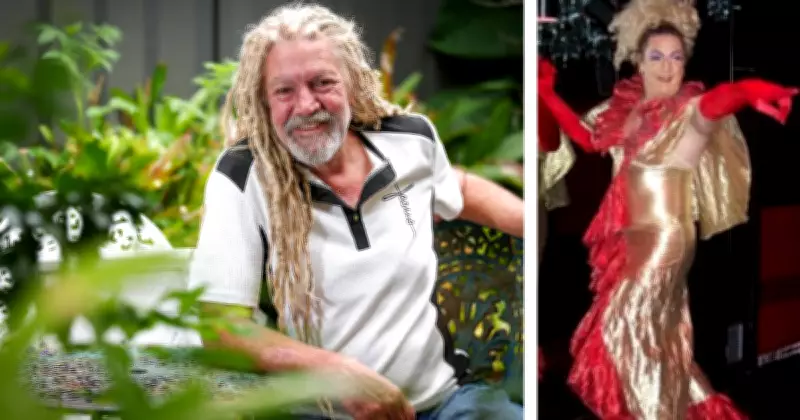
Drag icon Grant Barnes has recently shared fascinating insights into Wollongong's clandestine gay scene during the 1980s, shedding light on a vibrant but largely hidden subculture that thrived despite societal challenges. In an exclusive interview, Barnes recounted his experiences as a prominent figure in the local drag community, revealing how underground venues and events provided safe spaces for LGBTQ+ individuals in an era marked by less acceptance and legal protections.
The Hidden World of Wollongong's Gay Scene
Barnes described Wollongong's 1980s gay scene as a secretive yet lively network, with events often held in discreet locations such as private homes, back rooms of pubs, and unmarked clubs to avoid public scrutiny and potential backlash. He emphasized that these gatherings were crucial for fostering a sense of community and solidarity among LGBTQ+ residents, who faced significant social stigma and discrimination at the time. According to Barnes, the scene was characterized by creativity and resilience, with drag performances playing a central role in expressing identity and building connections.
Drag Culture as a Form of Resistance and Expression
As a drag icon, Barnes highlighted how drag culture in Wollongong served as both a form of artistic expression and a subtle act of resistance against mainstream norms. He shared anecdotes about memorable performances that challenged gender stereotypes and provided entertainment and empowerment for attendees. Barnes noted that drag queens and kings were often at the forefront of the scene, organizing events and creating spaces where people could be themselves without fear. This cultural movement, he explained, helped pave the way for greater visibility and acceptance in later years, contributing to Wollongong's evolving LGBTQ+ landscape.

Challenges and Legacy of the 1980s Era
Reflecting on the challenges of the time, Barnes discussed the risks involved in participating in the gay scene, including potential harassment and legal issues, as homosexuality was not fully decriminalized in New South Wales until 1984. Despite these obstacles, he praised the community's determination and the bonds formed through shared experiences. Barnes believes that the stories from this era are an important part of Wollongong's history, offering valuable lessons about resilience and the ongoing fight for equality. He hopes that by revealing these hidden narratives, younger generations can appreciate the struggles and triumphs that shaped the city's LGBTQ+ community.
Impact on Modern Wollongong and Future Reflections
Barnes's revelations have sparked renewed interest in Wollongong's LGBTQ+ history, prompting discussions about how far the city has come in terms of inclusivity and support. He expressed optimism about current progress but stressed the need to continue advocating for rights and recognition. By documenting and sharing these experiences, Barnes aims to preserve the legacy of the 1980s gay scene and inspire future activism. His insights serve as a reminder of the power of community and culture in overcoming adversity, highlighting Wollongong's unique contribution to Australia's broader LGBTQ+ narrative.