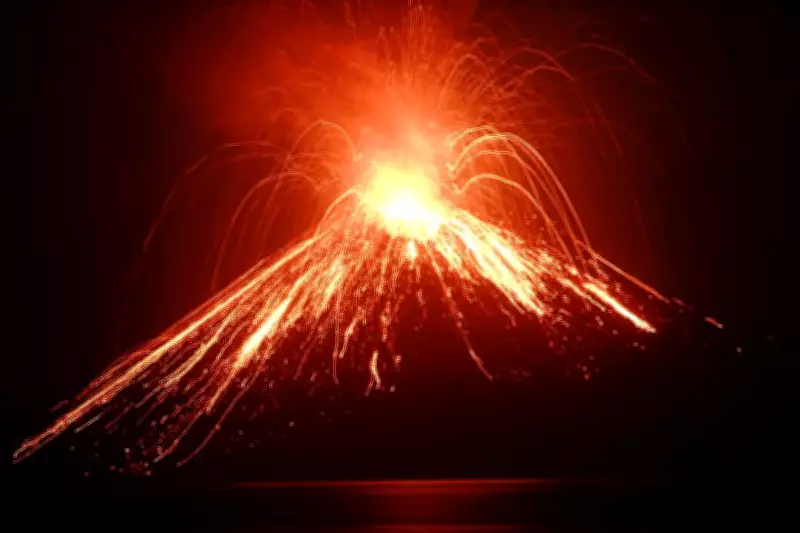
Krakatoa's 1883 Eruption: How Western Australia Felt Distant Volcanic Fury
In 1883, the world witnessed one of the most catastrophic volcanic events in recorded history: the eruption of Krakatoa in Indonesia. While the immediate devastation occurred thousands of kilometres away in the Sunda Strait, the far-reaching effects of this natural disaster were felt as far south as Western Australia, leaving residents puzzled by strange phenomena that defied explanation at the time.
Mysterious Sounds and Tidal Anomalies in WA
Residents in WA's Vasse district reported hearing loud, gun-like bangs and observing unusual tidal behavior in late August 1883. According to a police report filed by Sergeant J. McDonald of the Vasse Police Station, water police constable E.M. Tonkin noted hearing "the report of a large gun" multiple times on August 27. Despite investigations from the lighthouse and Cape Naturaliste, no source was found, with only unusual tide rises and falls noted as potential clues.
The ocean receded dramatically, leaving fish stranded on beaches before rushing back with force, causing people to flee. These events, now recognized as tsunami precursors, were a mystery in an era of slow communication, leading to local speculation about earthquakes or volcanic activity.

Historical Context of Krakatoa's Eruption
Krakatoa, dormant since 1680, reactivated on May 20, 1883, with explosions heard in Jakarta, 160 km away. The eruption peaked on August 26-27, ejecting nearly 21 cubic km of rock and ash, darkening skies globally. The Australian Bureau of Meteorology confirms it produced the loudest sound ever recorded, with tsunamis killing 36,000 people in Sumatra and Java.
Concussive air waves circled the Earth seven times, and the event inspired artistic works like Edvard Munch's "The Scream," believed to depict post-eruption skies. In WA, however, the focus was on unraveling the local mysteries.
WA Newspaper Reports and Public Reaction
Newspapers across WA documented the disturbances. The West Australian reported on August 31, 1883, about strange rumbling sounds and tidal surges in Geraldton, where the sea receded over 100 yards, allowing fish gathering before a dangerous rush back. Boats were swamped, and tides rose eight feet, with effects lasting into the next morning.
- In Albany, the Albany Mail described "extraordinary tidal phenomena" in King George's Sound, with forces so strong vessels struggled against currents.
- Eastern districts reported earthquake-like sensations, such as in York, where residents heard musket-like explosions from morning until noon.
- By September 5, Geraldton's The Victorian Express linked the events to volcanic activity, citing destroyed lighthouses and changed coastlines in the Sunda Straits.
Archival Insights and Long-Term Impacts
State Records Office of WA senior archivist Gerard Foley's research highlights how these events entered WA's collective memory. Reports emerged of tidal surges in the Pilbara losing sheep, rumbling sounds in the Murchison region, and a dead whale washed ashore in Mandurah. In November 1883, a Perth regatta even featured boats named "Tidal Wave" and "Volcano," reflecting public fascination.
Krakatoa remained quiet until 1927, when Anak Krakatau (Child of Krakatoa) emerged, causing further tsunamis in 2018 and eruptions in 2023. This historical episode underscores how global natural events can have local repercussions, blending science, history, and human curiosity in WA's archival records.