Community Gathers at Sandon Point for Survival Day in Spirit of Reconciliation
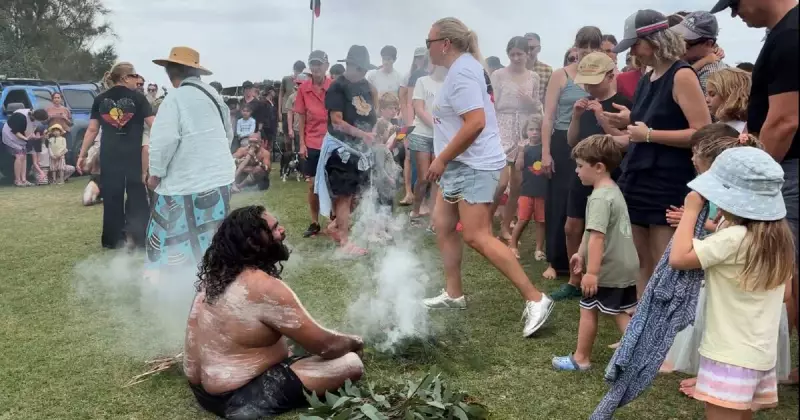
Hundreds of people from across the Illawarra region came together at Sandon Point on Monday, January 26, 2026, to mark Survival Day in a powerful display of unity and healing. The event, now in its third year, was held on Dharawal country and attracted a diverse crowd of Indigenous and non-Indigenous residents alike.
Walking and Working Together
For Gundungurra woman Aunty Trish Levett, the occasion embodied the concept of ngununggula, which translates to walking and working together. "Being with our community, being with my people, healing - all of us healing together and walking together," she explained, reflecting on what the day meant to her personally and culturally.
Event organiser Uncle Peter Button expressed his delight at the strong turnout, noting that it demonstrated meaningful progress. "It's brilliant, it makes me feel like we're moving, we're getting somewhere," he said. "Bringing people together in the spirit of reconciliation."

Ceremony and Celebration
The gathering featured several significant cultural elements that engaged attendees:
- A traditional smoking ceremony to cleanse and welcome participants
- Performances of Indigenous dance that showcased cultural heritage
- Speeches from community leaders including Uncle Peter Button
- Food and music enjoyed by all after the formal proceedings
Clarence Slockee, a Bundjalung man and Illawarra resident known for his role on Gardening Australia, performed at the event and shared his perspective. "It's good to celebrate we're all Australia, but it's also a time for people to reflect on what this means for First Nations people," Mr Slockee remarked.
Historical Significance of Sandon Point
The location itself holds deep historical and cultural importance. Sandon Point has long served as a meeting place for Aboriginal people and is now officially recognised as a protected Aboriginal place. It is also known as Kuradji Place, named after the discovery in 1998 of remains belonging to a clever man or Kuradji who lived approximately 6000 years ago.
This discovery in the late 1990s led to the establishment of the Sandon Point Aboriginal Tent Embassy in 2000, which was formed to protect the site from planned development. The area remains a focal point for cultural preservation and community gatherings.
A Day of Reflection and Unity
While January 26 is observed by some Indigenous Australians as Invasion Day, a time of mourning, Uncle Peter Button emphasised that Survival Day at Sandon Point aimed to foster positive community connections. "We've got to try and eliminate divisions, not put wedges in and drive [people] further apart," he stated, highlighting the event's goal of bringing people together for the greater good.
The successful gathering demonstrated how community events can promote understanding, respect, and shared healing between Indigenous and non-Indigenous Australians. The strong attendance and participation underscored a growing commitment to reconciliation efforts in the region.