Adelaide Festival Board Cancelled Author Over Funding Fears, FOI Documents Reveal
Exclusive documents obtained under Freedom of Information laws have exposed the internal crisis talks that led to the cancellation of a Palestinian-Australian author from Adelaide Writers' Week. The minutes reveal the former Adelaide Festival board made the decision to deprogram the author primarily due to fears of government funding cuts, following public statements by Premier Peter Malinauskas.
Pressure from Premier Prompted Board Deliberations
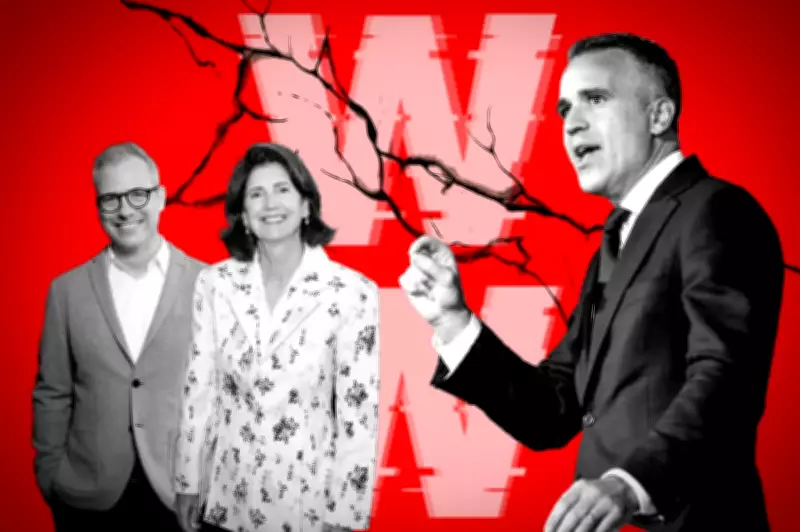
The FOI documents, secured by InDaily, detail how the board, then chaired by Tracey Whiting, engaged in urgent discussions after Premier Peter Malinauskas expressed his lack of support for the author's appearance at the festival. This political pressure created a significant dilemma for festival organisers, who were balancing artistic integrity with financial sustainability.
Adelaide Festival Executive Director Julian Hobba advocated to the board to keep the Palestinian-Australian author on the Writers' Week lineup, arguing for the importance of diverse voices in literary programming. However, the board ultimately decided that the risk to government funding was too great to proceed with the controversial inclusion.

Funding Concerns Overrode Artistic Considerations
The minutes clearly indicate that financial considerations took precedence in the board's decision-making process. With government funding representing a substantial portion of the festival's budget, board members expressed concern that maintaining the author's participation could jeopardise future financial support from state authorities.
This revelation raises important questions about artistic freedom and political influence in cultural programming. The documents show a cultural institution making programming decisions based on potential financial repercussions rather than purely artistic merit or audience interest.
Broader Implications for Cultural Institutions
The case highlights the delicate balance Australian cultural organisations must maintain between artistic expression and financial viability. When government funding represents a significant revenue stream, institutions face difficult choices about programming controversial content or voices that might attract political criticism.
The Writers' Week incident has sparked debate about the independence of cultural festivals from political influence and whether funding models need reconsideration to protect artistic freedom. Similar concerns have emerged in other Australian cultural sectors where government support plays a crucial role in operations.
As cultural institutions nationwide examine their own policies and relationships with government funders, this case serves as a cautionary tale about the potential consequences when political considerations intersect with artistic programming decisions.