ISIS Brides Debate Exposes Labor's Shift from Broad Church to Disciplined Unity
The ongoing controversy surrounding the repatriation of ISIS brides has brought to light a profound transformation within the Australian Labor Party. Historically, such a contentious issue would have sparked vocal advocacy from the party's left wing, but today, public dissent is notably absent. This silence underscores a broader trend of enforced unity and discipline under Prime Minister Anthony Albanese's leadership.
The Silence of the Left
Decades ago, left-wing Labor MPs would likely have been outraged by attempts to prevent the return of Australian citizens, such as the ISIS brides. However, in the current debate, any concerned MPs are strictly anonymous. This reflects a wider phenomenon where the caucus, particularly the left faction, has adopted a vow of public silence. Unity and discipline have become paramount, reinforced by periodic warnings from the leadership.
Albanese, who previously served as a left factional enforcer, has cultivated an environment where backbenchers fear rocking the boat. The government's thin majority in the previous term and its massive majority now have further incentivized loyalty, with newer members often being community-focused rather than ideological. Memories of the fractures during the Rudd and Gillard years also loom large, discouraging public disagreements.

A Diverse Yet Docile Caucus
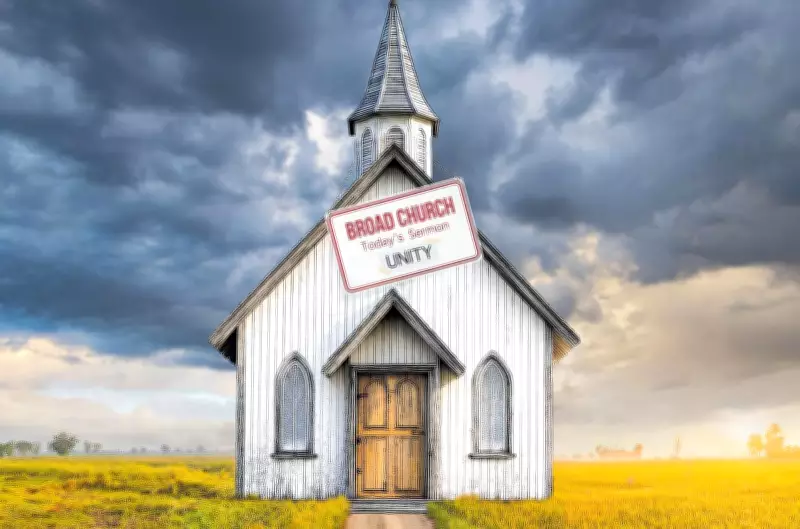
Prime Minister Albanese frequently boasts of leading the most diverse caucus in Labor's history, with over half of its members being women and multiple ethnic backgrounds represented. While this suggests a broad church of views, in public, the congregation adheres strictly to prepared talking points. Former senator Doug Cameron, a left firebrand, has criticized this dynamic, stating that "a left leader has neutered the caucus left, and left them mute and subservient."
Behind the scenes, careful management ensures opinions are confined to factional meetings. Albanese meets regularly with factional conveners, and two staff members in his office are dedicated to liaising with caucus members. This top-down control has effectively muted internal debate.
Media and Risk Aversion
Changes in the media landscape over recent decades have also contributed to this culture of silence. The 24-hour news cycle, which amplifies trivial disputes, and the rise of outrage-driven journalism have made many caucus members risk-averse. Social media's potential to damage politicians further discourages public dissent, helping the Labor Party maintain discipline—a contrast to the more fractious Liberal and National parties.
Exceptions to the Rule
Despite the general trend, there are notable exceptions. Former industry minister Ed Husic, now a backbencher, speaks out freely, a freedom partly attributed to his demotion by the right faction post-election. Similarly, senator Fatima Payman's decision to cross the floor on a pro-Palestine motion led to her suspension and eventual move to the crossbench, highlighting the severe consequences for breaking party rules.
Other minor instances of dissent, such as from right-winger Mike Freelander, are rare. These exceptions underscore the overall discipline within Albanese's caucus.
Broader Implications and Threats
The suppression of dissident voices within Labor may simplify governance but carries significant costs. It limits public debate and contributes to a perception of inauthenticity among major parties. Labor's primary vote has declined from 43.38% in 2007 to 34.56% in the 2025 election, reflecting growing disillusionment with political machines that appear scripted and unresponsive.
This disillusionment has fueled support for disruptors like One Nation and teal independents, posing potential threats to Labor. Assistant Minister Julian Hill recently advised the left to embrace "inclusive patriotism" to combat right-wing extremism, but this approach may not address the vacuum left by silenced left-wing voices.

The Risk of Ceding Ground
If left-wing backbenchers remain silent on issues they care about, they risk ceding ground to extremists on the left flank, particularly among young voters. The absence of transparent internal debate not only stifles democracy but also alienates voters seeking genuine representation. As Labor prepares for its 50th national conference in July, billed as a "festival" rather than a decision-making forum, the party's shift from a broad church to a disciplined unity raises questions about its future in an increasingly fragmented political landscape.