Former Writers' Week Director Accuses Premier of 'Tin Ear' Amid Author Controversy
Louise Adler, the former director of Writers' Week, has publicly criticised the Premier, claiming a lack of sensitivity in the handling of a cancelled author appearance that has ignited significant debate in Adelaide. The controversy centres on Palestinian-Australian author Randa Abdel-Fattah, whose scheduled participation was abruptly called off, leading to widespread discussion about freedom of expression and political interference in cultural events.
Sold-Out Event Highlights Tensions
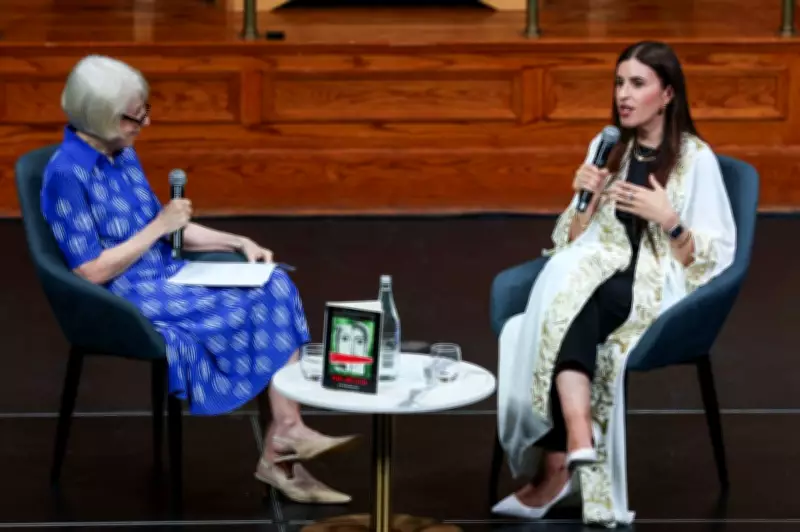
Adler and Abdel-Fattah spoke at a packed event at the Adelaide Town Hall on Sunday night, where the atmosphere was charged with emotion and intellectual fervour. The venue was filled to capacity, underscoring the high public interest in the issues at stake. During her address, Abdel-Fattah made poignant remarks about the daily realities faced by many, stating, "The first thing every person I know does when they wake up is reach for their phone and check if their friends are still alive." This comment resonated deeply with the audience, highlighting the personal and global contexts that often intersect in literary discussions.
Adler's Strong Critique of Leadership
In her speech, Adler did not hold back in her assessment of the Premier's role in the cancellation. She described the decision as reflective of a "tin ear," suggesting a failure to listen to diverse voices and understand the cultural significance of such events. Adler emphasised that Writers' Week has historically been a platform for challenging conversations and that silencing authors undermines its core mission. Her critique points to broader concerns about how political pressures can impact artistic and literary freedoms in Australia.

Background of the Writers' Week Implosion
The implosion at Writers' Week stems from the last-minute cancellation of Abdel-Fattah's appearance, which has been attributed to unspecified external pressures. This move has sparked outrage among literary communities and free speech advocates, who argue that it sets a dangerous precedent for censorship. The event on Sunday night served as a rallying point for those supporting Abdel-Fattah and calling for greater transparency in decision-making processes within cultural institutions.
Implications for Future Literary Events
This incident raises important questions about the autonomy of cultural festivals and the influence of political figures on programming. As Adelaide grapples with the fallout, stakeholders are debating how to safeguard against similar controversies in the future. The strong turnout at the Town Hall event suggests a robust public appetite for unfettered literary discourse, potentially prompting reforms in how such events are managed and protected from interference.
Looking Ahead
The controversy is likely to continue unfolding, with Adler's comments adding fuel to an already heated debate. As discussions progress, the focus will remain on balancing artistic expression with political sensitivities, ensuring that platforms like Writers' Week can thrive as spaces for meaningful dialogue. The outcome may influence not only future editions of the festival but also broader policies on cultural funding and support across Australia.