Palestinian-Australian Author Secures Victoria Literary Award in Public Vote Triumph
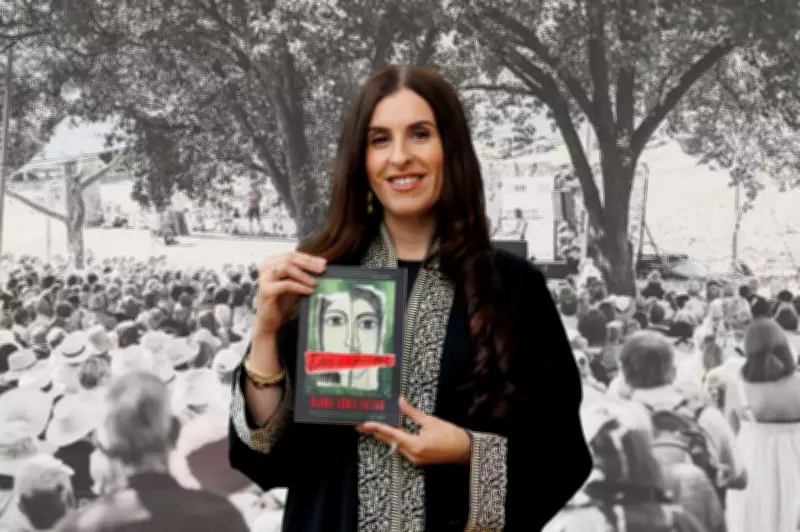
In a significant cultural moment, Palestinian-Australian author Randa Abdel-Fattah has clinched a major Victoria literary award, a victory she frames as a powerful rebuttal to political figures who have publicly disparaged her. The award, determined by public voting, comes amid ongoing controversy surrounding her involvement in the now-cancelled Adelaide Writers' Week, where her presence sparked intense debate and ultimately led to the event's termination.
A Sweet Victory Against Political Detractors
Abdel-Fattah, whose work often explores themes of identity and social justice, described the award win as a "sweet victory" specifically targeting "Premiers who refer to me as 'that woman' and 'that writer'." This pointed remark highlights the personal and political tensions that have shadowed her career, particularly following the Adelaide Writers' Week implosion, where her participation became a flashpoint for broader cultural and political conflicts.
The author's comments underscore a broader narrative of resilience in the face of institutional criticism, with the award serving as a public endorsement of her literary contributions despite the controversies. Her victory is seen by supporters as a validation of artistic expression over political interference, reinforcing the role of public opinion in shaping cultural recognition.

Nick Cave Weighs In on the Cultural Debate
Adding to the discourse, legendary performer Nick Cave has publicly commented on the situation, though specific details of his remarks were not fully disclosed in the original report. Cave's involvement brings additional celebrity weight to the conversation, potentially amplifying discussions about free speech, artistic freedom, and the intersection of politics with literature in Australia.
His input may reflect broader artistic community sentiments regarding the treatment of controversial figures in cultural events, suggesting that the Adelaide Writers' Week cancellation and subsequent award win have resonated beyond literary circles into the wider entertainment and public spheres.
Background: The Adelaide Writers' Week Implosion
The backdrop to this award is the highly publicised implosion of Adelaide Writers' Week, where Abdel-Fattah's scheduled appearance triggered significant backlash and ultimately led to the event's cancellation. This incident has been a focal point for debates on censorship, political pressure, and the limits of public discourse in Australian cultural institutions.
Abdel-Fattah's role as a central figure in this controversy has made her a symbol of the struggles faced by authors navigating politically charged environments. Her award win, therefore, is not just a personal achievement but also a moment of symbolic resistance, challenging narratives that seek to marginalise dissenting voices in the literary world.
Implications for Australian Literary and Political Landscapes
This development raises important questions about the future of literary awards and cultural events in Australia. Will public-voted awards become more prominent as a counterbalance to political influences? How will institutions handle controversial figures moving forward? The situation highlights ongoing tensions between artistic expression and political sensitivities, with potential long-term effects on how literature is celebrated and contested in the public arena.
Moreover, Abdel-Fattah's victory may inspire other authors facing similar challenges, demonstrating that public support can override political opposition. It also underscores the importance of diverse voices in Australian literature, reinforcing the need for inclusive platforms that resist external pressures.
As the story continues to unfold, observers will be watching for further reactions from political leaders, literary communities, and the public, all of whom play crucial roles in shaping the cultural dialogue around awards, censorship, and artistic freedom in contemporary Australia.