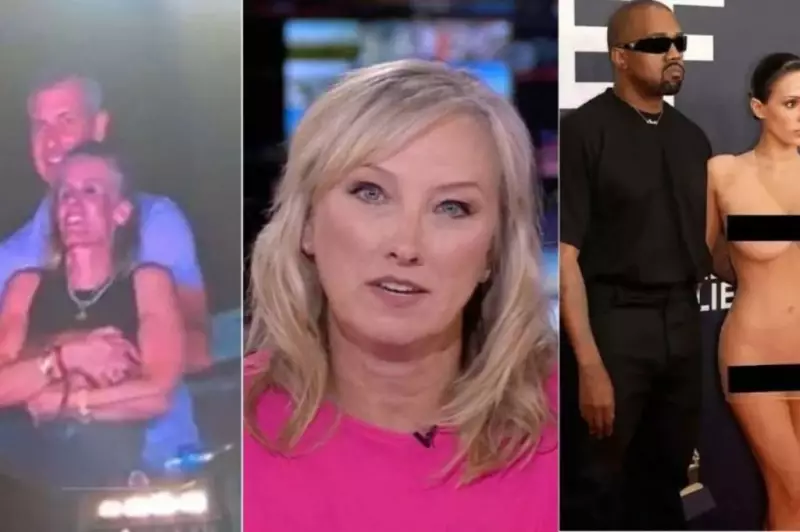
As the final hours of 2025 tick away, it's time to reflect on a year that was dominated, debated, and defined by our screens. The social media landscape in Australia experienced seismic shifts, viral explosions, and controversies that spilled from online feeds into mainstream headlines. This year wasn't just about fleeting trends; it was about platform wars, political interventions, and moments of collective digital awe that captured the nation's attention.
The Platform Shake-Up: Bans, Mergers, and New Rules
The most significant structural change came with the federal government's controversial decision. In a move that sent shockwaves through the digital community, the Australian government enacted a nationwide ban on TikTok in the first quarter of 2025. Citing persistent and unresolved national security concerns regarding data handling, the prohibition forced millions of Australian users and content creators to migrate to alternative platforms like Instagram Reels, YouTube Shorts, and emerging competitors.
This vacuum led to a fierce battle for market dominance. Instagram Reels aggressively courted displaced creators with new monetisation features, while YouTube Shorts saw a dramatic surge in Australian viewership. The ban also accelerated the rise of homegrown and niche platforms hoping to capture a slice of the lucrative short-form video market.

Meanwhile, in a surprising turn of events, the tech world witnessed a major consolidation. Elon Musk's X (formerly Twitter) finalised its acquisition of the popular streaming platform Twitch in mid-2025. This merger created a colossal hub for live commentary, gaming, and real-time interaction, fundamentally altering the dynamics of live-streamed content and community building online.
Viral Phenomena and Aussie Influencers in the Spotlight
Beyond the boardroom battles, 2025 was a year of unforgettable viral moments. Australian creators and celebrities found themselves at the centre of global conversations, for both triumphant and tumultuous reasons.
The year's undisputed viral sensation was the "Dancing Dusty" challenge. Inspired by a nostalgic clip of AFL legend Dustin Martin celebrating a goal with an impromptu dance, the challenge saw millions worldwide, including elite athletes and Hollywood stars, attempting to replicate his uniquely casual moves. The trend became a testament to sport's cross-cultural appeal and the unpredictable nature of internet fame.
However, the spotlight also burned intensely. A series of high-profile scandals rocked the Australian influencer ecosystem, leading to what commentators dubbed "The Great Unfollowing." Several top-tier influencers faced massive backlash and lost hundreds of thousands of followers following exposés related to undisclosed advertising, questionable product endorsements, and toxic workplace allegations behind their glossy brand empires. This sparked a wider consumer movement demanding greater authenticity and transparency from digital personalities.
In the entertainment sphere, the marriage of global pop icon Taylor Swift to Australian actor Travis Tooke created a media frenzy of unprecedented scale. While the wedding itself was private, the social media fallout—from fan theories and location speculation to celebratory memes from proud Aussies—clogged feeds for weeks, demonstrating the immense power of celebrity culture in the digital age.
The Lasting Impact and the Road Ahead
The events of 2025 have set a new precedent for how social media operates within Australian society. The TikTok ban has ignited ongoing debates about digital sovereignty, data privacy, and the economic impact on creators. The influencer scandals have prompted calls for stricter regulation of the influencer marketing industry, akin to traditional advertising standards.
The merger of X and Twitch has created a new digital giant, raising questions about content moderation and market monopoly in the live-streaming space. Furthermore, the viral moments of the year, though often light-hearted, highlight the accelerating speed at which culture is now created and disseminated globally, often with an Australian accent at its source.

As we log off from 2025, the lessons are clear: social media is no longer a separate digital layer but is deeply integrated into our economy, our politics, and our daily social fabric. The platforms may change, the stars may rise and fall, but the conversation will undoubtedly continue to evolve at a relentless pace. The defining moments of this year have reshaped the landscape, leaving users, creators, and regulators to navigate a transformed online world in 2026.