Adelaide University Study Identifies Prime Region for Driverless Bus Implementation
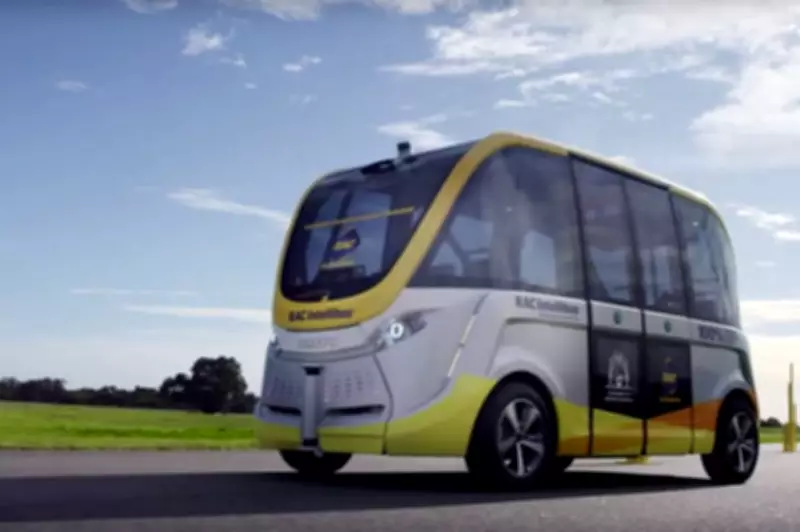
A groundbreaking concept study conducted by researchers at Adelaide University has demonstrated the feasibility of deploying driverless buses in the city's northern suburbs. This research moves the long-envisioned idea of autonomous public transport from the realm of science fiction into tangible reality.
From Fiction to Feasibility: The Research Findings
The study meticulously analyzed various factors including infrastructure, traffic patterns, and technological requirements to assess the viability of autonomous bus services. The findings indicate that Adelaide's northern region presents an optimal environment for initial implementation, with researchers highlighting specific routes and operational parameters that could support a successful pilot program.
The research represents a significant step forward in urban transportation innovation, potentially transforming how residents commute while addressing broader challenges such as traffic congestion and environmental sustainability. The autonomous bus concept has been explored extensively in theoretical discussions and fictional narratives, but this study provides concrete evidence of its practical application in a real-world setting.

Implications for Future Public Transport
The successful implementation of driverless buses could revolutionize public transportation systems by:
- Increasing operational efficiency through optimized routing and scheduling
- Reducing human error and improving safety standards
- Providing more flexible and responsive service to communities
- Creating new opportunities for urban planning and development
This research comes at a critical time when cities worldwide are seeking innovative solutions to transportation challenges, and Adelaide's northern suburbs may serve as a model for other regions considering similar autonomous vehicle initiatives. The study's authors emphasize that while technical feasibility has been established, further work is needed on regulatory frameworks, public acceptance, and integration with existing transport networks.
The Adelaide University team's work represents an important milestone in the evolution of smart city transportation, bridging the gap between conceptual exploration and practical implementation. As autonomous vehicle technology continues to advance, studies like this provide crucial guidance for policymakers and urban planners seeking to harness these innovations for community benefit.