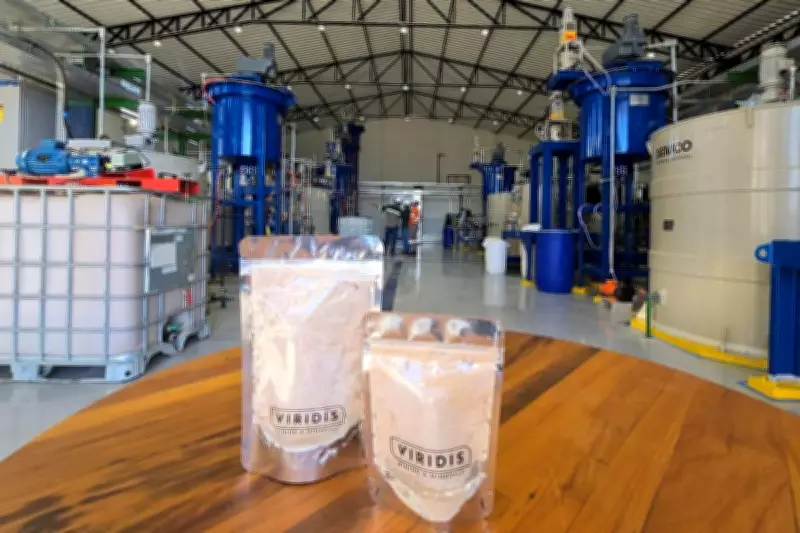
Viridis Mining and Minerals has achieved a significant technical milestone by producing the first batch of mixed rare earth carbonate at its Colossus demonstration plant in Brazil. This development brings the company closer to full-scale commercial production.
Successful Production at Research Centre
The product was generated at the company's Rare Earth Research and Processing Centre in Poços de Caldas, following the successful start-up of the semi-industrial facility earlier this month. The plant is designed to process ionic clay feed from the Colossus project and ranks among the largest known semi-industrial, continuous-operation ionic clay rare earth processing plants outside China.
High-Grade Rare Earth Elements
The facility has proven its ability to produce high-grade mixed rare earth carbonate enriched with valuable magnetic rare earth elements, including dysprosium, terbium, neodymium, praseodymium, and samarium. These elements are critical inputs for permanent magnet supply chains, positioning Viridis among a select group of rare earth developers capable of continuously processing ionic clay material at scale into a saleable product.

The demonstration plant operates at a design throughput of 100 kilograms per hour and incorporates an automated control system for continuous operation. Viridis has brought together its operational, laboratory, and technical crews, along with major equipment suppliers and SGS Laboratories, under one roof. This setup provides a live testing ground to fine-tune the processing flow and qualify product samples ahead of full-scale production at Colossus.
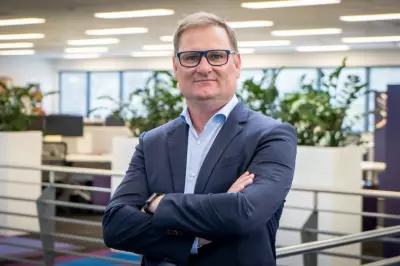
Rafael Moreno, managing director of Viridis Mining and Minerals, stated: "The production of our first MREC from the Colossus demonstration plant, following the successful commissioning and operational start-up of the facility, highlights the simplicity of the Colossus processing flowsheet, which underpins the Project's globally competitive operating cost profile and potential to materially reset the rare earth cost curve."
Next Steps Toward Commercial Production
With first production achieved, the company is in a stronger position to finalise offtake discussions and validate key process parameters for the Colossus definitive feasibility study. To improve cost estimates, Viridis plans to run test programs with shortlisted long lead equipment suppliers ahead of planned orders in the September quarter.
The company is targeting first commercial production from Colossus in 2028. The demonstration plant represents another important step in de-risking the project and confirming the scalability of its processing flowsheet. Additionally, the facility includes a zero liquid discharge water treatment system to recycle process water and reagents, helping reduce environmental impact as Viridis progresses from laboratory-scale to real-world operations.