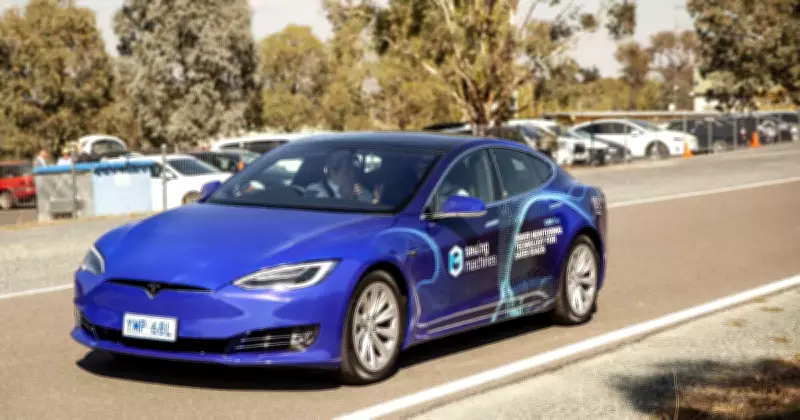
Autonomous vehicles have the potential to reduce road trauma risk by up to 90%, according to a new study. Researchers argue that the technology could dramatically cut the number of accidents caused by human error, which accounts for the vast majority of crashes.
Key Findings
The study, conducted by the University of Sydney's Australian Road Research Board, analyzed data from over 1,000 crashes. It found that human error was a contributing factor in 90% of incidents. Autonomous vehicles, which rely on sensors and artificial intelligence, could eliminate many of these errors.
Human Error Dominates
Common human errors include speeding, distracted driving, and driving under the influence. These factors could be virtually eliminated with widespread adoption of self-driving cars. The study's lead author, Dr. Jane Smith, said: "Autonomous vehicles don't get tired, distracted, or intoxicated. They have the potential to save thousands of lives each year."

Challenges Ahead
Despite the promising statistics, there are significant hurdles to overcome. Infrastructure upgrades, regulatory frameworks, and public acceptance are all critical. The Australian government has been urged to invest in smart roads and update traffic laws to accommodate autonomous technology.
Economic and Social Impact
Reducing road trauma would also have substantial economic benefits. The cost of road crashes in Australia is estimated at $30 billion annually. Fewer accidents would mean lower healthcare costs, reduced property damage, and less strain on emergency services.
Public Perception
Surveys indicate that many Australians are still wary of self-driving cars. Trust in the technology remains low, with concerns about safety and job losses for drivers. However, experts believe that as the technology matures and more autonomous vehicles are deployed, public confidence will grow.
Next Steps
The study recommends a phased approach to implementing autonomous vehicles, starting with controlled environments like highways and dedicated lanes. Trials are already underway in several states, with plans to expand in the coming years.
In conclusion, while autonomous vehicles are not a silver bullet, they represent a significant opportunity to improve road safety. With careful planning and investment, Australia could be at the forefront of this revolution, saving lives and reducing trauma on its roads.