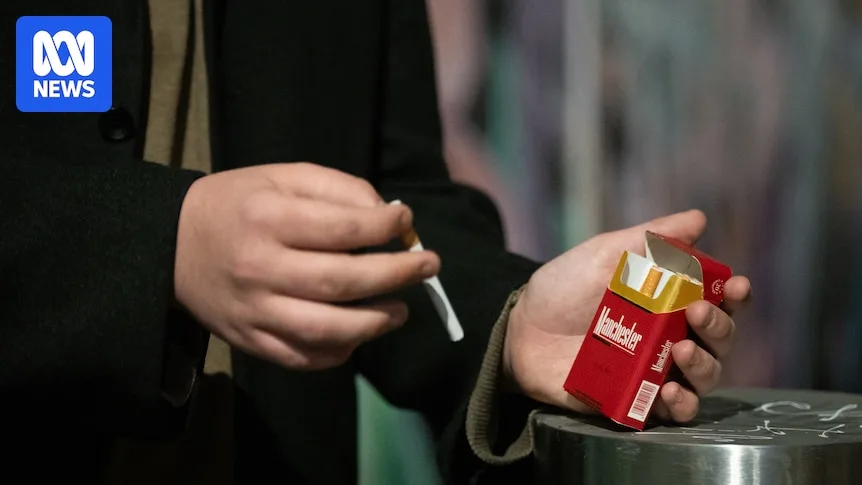
Western Australia is battling a surge in illegal tobacco sales, driven by smokers seeking cheaper alternatives as government taxes add about $30 to each legal pack. While high taxes initially reduced demand, they have now fueled a black market, with organized crime supplying cheap cigarettes and reaping large profits.
The state government has promised new legislation to give authorities power to quickly close stores and impose heavier fines. However, public health experts argue that addressing the demand side is crucial. Professor Lisa Wood of Notre Dame University notes that smoking rates remain high among vulnerable groups, including rough sleepers, people with mental health issues, and low-income earners.
Dr. Ramya Raman, WA Chair of the Royal Australian College of General Practitioners, reports rising nicotine addiction, particularly among young people. She advocates for more government support for cessation services, including counseling and motivational interviewing. Medications like patches and gum are currently not subsidized in Australia, unlike in the UK where they are free or reduced-cost.

Professor Wood suggests that making cessation products more accessible could help, as one smoker told her it is cheaper to keep smoking illegal cigarettes at $20 a day than to buy a $50 inhaler. Queensland offers free products to some smokers, such as those under 30 or with young children, setting a precedent.
WA Preventative Health Minister Sabine Winton is open to exploring such ideas through meetings to develop the state's first Preventative Health Strategy. However, Shadow Health Minister Libby Mettam criticizes the delay, pointing to rising tobacco-attributable hospitalizations, especially among Indigenous Western Australians, where rates have grown 1.5 times faster than the population since 2017.