Football's New Crackdown: Players Face Penalties for Dissent
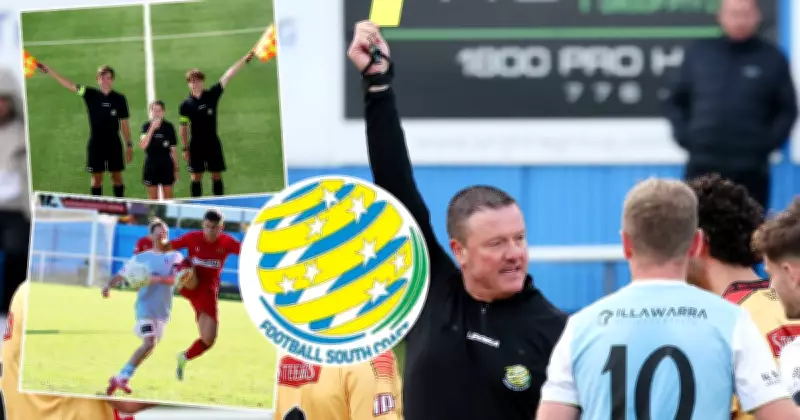
In a significant move to uphold the integrity of the game, football authorities are implementing a stringent crackdown on player dissent. This initiative targets a range of behaviors that undermine respect for match officials, with penalties set to be enforced more rigorously than ever before.
Defining Dissent: What Actions Are Under Scrutiny?
The new guidelines specify several actions that will now attract immediate penalties. These include:
- Verbal protests directed at a referee or assistant referee's decision, such as arguing or shouting in disagreement.
- Non-verbal protests, like making offensive gestures or displaying visible frustration towards officials.
- Acting in a manner that shows a lack of respect for the game, which encompasses any behavior deemed unsportsmanlike or disruptive.
- Attempting to influence the referee to caution an opposing player, often through persistent complaints or pressure.
- Sitting on the ground to display disagreement with a decision, a tactic sometimes used to delay play or express dissent.
- Hitting the ball on the ground or throwing it away in anger after a call, which can be seen as a form of protest.
- Clapping hands sarcastically after a referee's decision, a subtle but clear sign of disrespect.
The Rationale Behind the Crackdown
This crackdown is driven by a growing concern over the erosion of respect for referees in football. Officials have long faced abuse from players, which can set a poor example for fans and young athletes. By penalizing dissent more harshly, authorities aim to foster a culture of sportsmanship and ensure that matches are decided on skill rather than intimidation.

The focus is on maintaining the flow of the game and protecting the mental well-being of referees, who often report high levels of stress due to on-field confrontations. Studies have shown that disrespect towards officials can lead to increased aggression among players and spectators alike.
Impact on Players and Teams
Players who engage in these behaviors now risk receiving yellow or red cards, depending on the severity of the offense. This could lead to suspensions, fines, and a tarnished reputation. Teams may also face consequences, such as points deductions in league competitions, if dissent becomes a recurring issue.
Coaches and managers are being urged to educate their squads on the new rules, emphasizing that respect for officials is non-negotiable. This shift is expected to change on-field dynamics, encouraging players to channel their frustrations more constructively.
Looking Ahead: A New Era of Respect in Football
As the crackdown takes effect, fans and analysts will be watching closely to see how it influences player behavior. While some may argue that it could stifle passion, proponents believe it will lead to a more respectful and enjoyable game for everyone involved.
Ultimately, this initiative underscores football's commitment to upholding core values like fairness and integrity. By addressing dissent head-on, the sport hopes to set a positive example for future generations of players and fans.