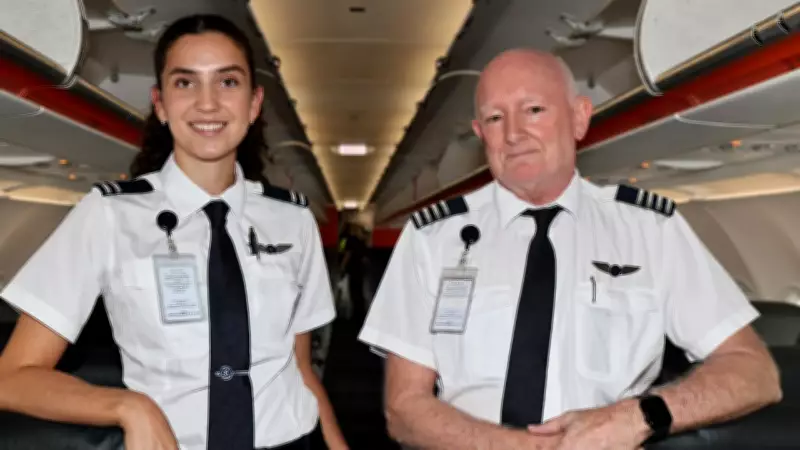
Jetstar pilots based in Cairns have opened up about their personal journeys to the cockpit, offering a rare glimpse into the rigorous training and determination required to become commercial airline pilots. In a series of interviews, these aviators shared their stories, from early fascination with flight to overcoming obstacles in their careers.
From Dream to Reality
For many pilots, the dream of flying began in childhood. Captain Sarah Mitchell, a veteran pilot with over 15 years of experience, recalled her first flight at age 10. “I was amazed that something so heavy could stay in the air,” she said. “From that moment, I knew I wanted to be a pilot.”
First Officer James Nguyen took a different path, starting his career in engineering before transitioning to aviation. “I always loved planes, but I thought being a pilot was out of reach,” he explained. After saving for years, he enrolled in flight school and never looked back.

Training and Challenges
The journey to becoming a Jetstar pilot involves extensive training, including simulator sessions, flight hours, and rigorous exams. Pilots must also pass medical and psychological assessments. “The training is intense, but it prepares you for real-world scenarios,” said Captain Mitchell.
One of the biggest challenges is balancing work and personal life. Pilots often spend long periods away from home, which can be tough on relationships. However, the camaraderie among crew members helps ease the burden. “We’re like a family,” said First Officer Nguyen.
Advice for Aspiring Pilots
Both pilots emphasized the importance of perseverance and passion. “Don’t give up if you face setbacks,” Captain Mitchell advised. “The aviation industry is rewarding, but it requires dedication.”
First Officer Nguyen encouraged aspiring pilots to seek mentorship. “Talk to experienced pilots, join aviation clubs, and stay informed about industry trends.”
Jetstar continues to support pilot development through cadet programs and partnerships with flight schools. The airline’s commitment to nurturing local talent ensures a steady pipeline of skilled aviators for the future.