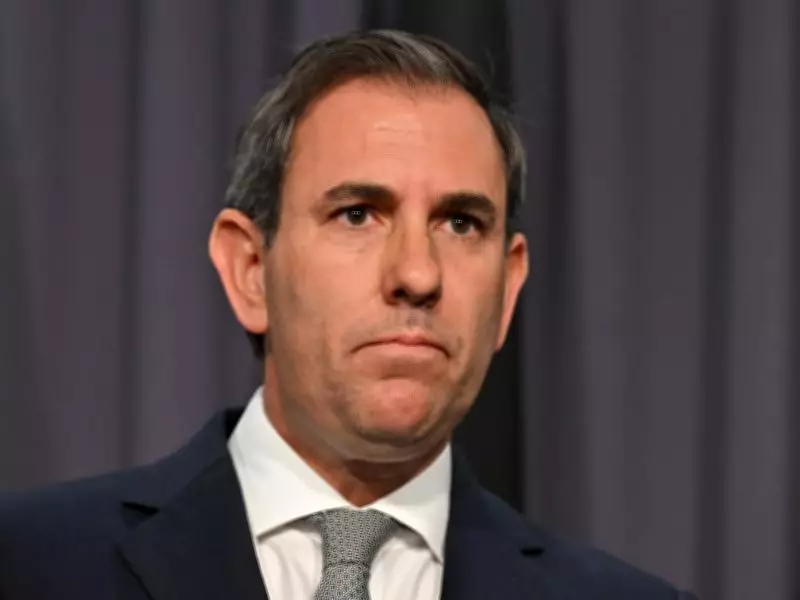
Treasurer Jim Chalmers is reportedly evaluating a significant reduction to the capital gains tax discount for property investors in the lead-up to May's federal budget. The current discount stands at 50 per cent, but mounting pressure from the Greens, trade unions, and prominent economists has prompted the government to consider reforming this long-standing concession.
Government Focus on Housing Supply and Tax Reform
In a recent interview with The Financial Review, Chalmers emphasised that the government's immediate priority remains addressing housing supply to combat intergenerational inequality. He outlined a broader tax reform agenda, stating, "On tax reform more broadly, our priority is rolling out two more tax cuts and a standard deduction, legislating better-targeted super concessions and a boost to the low-income offset, and the work we’ve commissioned on multinationals."
Chalmers added that any further steps beyond these measures would require cabinet deliberation and align with the directions established at the recent reform roundtable. This cautious approach reflects the government's balancing act between fiscal responsibility and political pressures.

Defence Minister Echoes Housing Policy Stance
Defence Minister Richard Marles has also faced intense questioning about potential changes to the capital gains tax discount ahead of the budget. While repeatedly refusing to rule out alterations to housing tax arrangements, Marles insisted the government's position on housing policy "hasn't changed".
He declined to confirm whether Treasury is actively modelling the removal of the capital gains tax discount, stating, "Our position in relation to housing policy has not changed, and that includes the tax arrangements around housing policy." This statement reinforces Chalmers' sentiment that the government's primary focus is tackling housing affordability through increased supply rather than immediate tax overhauls.
RBA Delivers Cash Rate Hike Amid Inflation Concerns
The capital gains tax deliberations unfold against a backdrop of economic tightening, as the Reserve Bank of Australia delivered its first cash rate increase since November 2023. On Tuesday, the RBA board voted unanimously to lift the cash rate by 25 basis points, from 3.6 per cent to 3.85 per cent.
RBA governor Michele Bullock cited a "combination of factors" driving inflation upwards, including persistent strong demand extending into 2026, a more resilient global economy than anticipated, and ongoing uncertainty about restrictive financial conditions. "Taking all these factors together, the board decided it was necessary to raise the cash rate," Bullock explained, reaffirming the bank's commitment to returning inflation to its target of 2.5 per cent.
Chalmers Responds to Rate Hike Impact
Chalmers, who earlier rejected claims that government spending is fuelling inflation, acknowledged the RBA's decision would be "difficult news for millions of Australians with a mortgage." This rate hike adds another layer of complexity to the government's budget planning, as it seeks to balance housing affordability measures with broader economic stability.
The interplay between potential capital gains tax reforms and monetary policy adjustments highlights the delicate economic landscape facing the government. As budget preparations intensify, all eyes remain on how Chalmers will navigate these competing pressures to deliver a fiscally responsible yet socially equitable outcome.