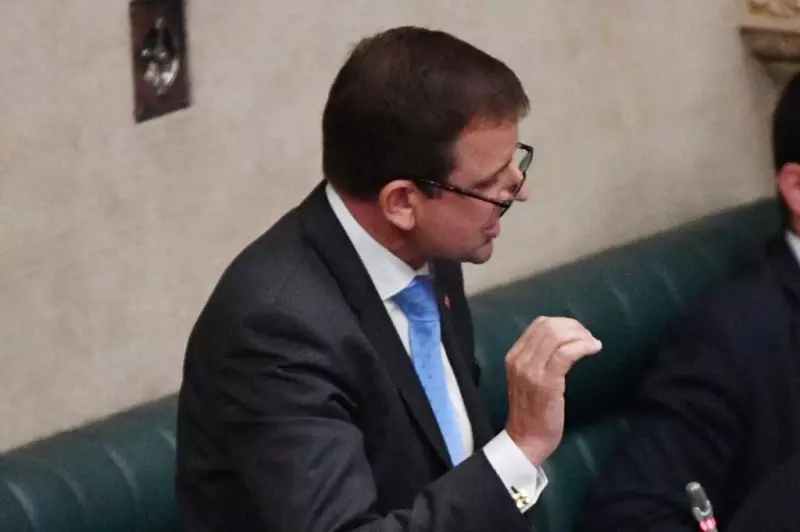
A South Australian Member of Parliament has been remanded in custody after facing court over serious domestic violence allegations. The politician, whose identity is protected by a court-issued non-publication order, was denied bail during a hearing at the Adelaide Magistrates Court.
Court Proceedings and Bail Decision
The MP appeared before the court on Monday, where prosecutors presented their case. The details of the specific charges remain under a suppression order, but they are understood to relate to allegations of domestic violence. After considering submissions from both the prosecution and defence, the magistrate ruled that the accused should not be granted bail at this time.
This decision means the parliamentarian will remain in custody until their next court appearance. The case has been adjourned, with a future date set for the legal proceedings to continue. The non-publication order currently prevents the media from revealing the MP's name, electorate, or political party, a move often used to ensure a fair trial and to protect the identities of any alleged victims or witnesses.

Political Repercussions and Protocol
The incident has triggered immediate protocols within the South Australian Parliament. While the MP has not been formally convicted, the gravity of the charges has necessitated a response from parliamentary authorities and party leadership. It is standard procedure in such situations for the individual to be stood aside from any parliamentary or party duties while the legal matter is resolved.
The situation creates significant uncertainty for the MP's electorate, as their representative will be unable to perform their usual duties. It also poses a challenge for their political party, which must manage the fallout and ensure the ongoing functioning of parliamentary business. Leaders from across the political spectrum are likely to be briefed on the situation, given its sensitive nature.
Community and Legal Context
This case brings the issue of domestic and family violence sharply into the public and political arena. It occurs in a national context where there is increasing focus on holding individuals in positions of power accountable for their actions. The legal process will now take its course, with the MP entitled to the presumption of innocence until proven guilty.
The use of a non-publication order, while not uncommon in sensitive criminal matters, highlights the complex balance between open justice and protecting vulnerable parties. As the case progresses, there may be applications to vary or lift the suppression order, which would then allow for fuller public reporting of the details.
For now, the South Australian political community is dealing with the shock of having a sitting member remanded in custody, an extremely rare occurrence. The next steps depend entirely on the outcomes of the ongoing judicial process.