Bentley Residents Demand Action on Illegal Dumping Epidemic
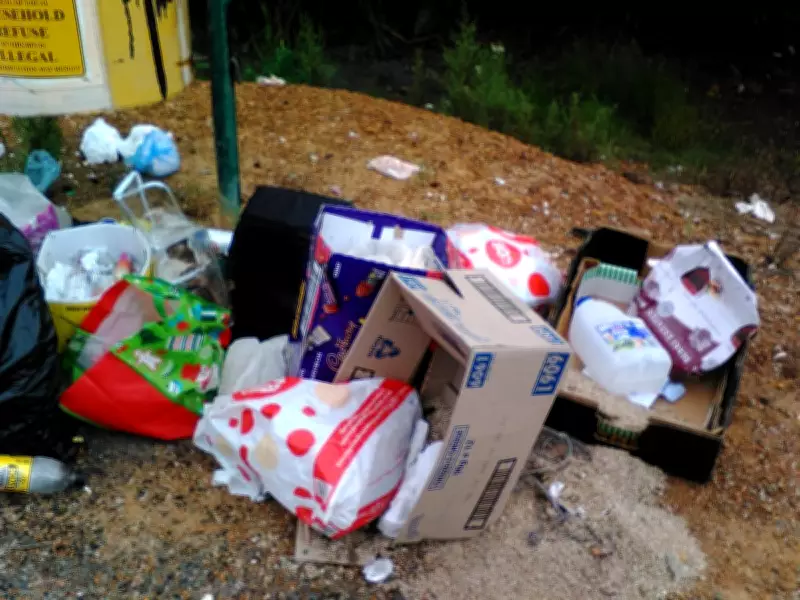
The City of Canning is facing mounting pressure to install communal skip bins in the suburb of Bentley, following passionate pleas from frustrated residents at the annual electors' meeting. Locals described a situation of "dumping galore," with verges and street corners becoming unofficial waste grounds due to ongoing development and a high turnover of tenants in the area.
A Constant Battle Against Waste
Resident Fiona Hillary highlighted a particularly problematic intersection at the corner of Chapman and Duke streets, which she described as "a constant dumping ground." Her concerns were amplified by recent experiences with skip bins in the neighboring suburb of St James, where a bin placed in December was completely filled within a single weekend.
"Even when I've had skip bins recently, I walk out there and it's half-full before I've even put anything in it," Ms Hillary told the meeting. She explained that many residents don't generate enough waste to justify hiring a private skip bin but still have several items too large for standard green waste bins.

Potential Benefits and Practical Solutions
Advocates for the skip bin proposal argue that strategically placed communal bins could actually save the city money by reducing the frequency of illegal dumping clean-up operations. When rubbish accumulates on verges or in public spaces, council workers must be deployed to collect it, creating additional costs for ratepayers.
The proposal includes innovative elements such as QR codes on bins to direct residents to information about white goods and mattress collection services. This educational component aims to address the root causes of improper waste disposal while providing convenient alternatives.
Lessons from Past Initiatives
One resident at the meeting expressed caution, drawing parallels with charity donation bins that were once placed outside shopping centers. "They were a good idea at the beginning but they became abused towards the end," he recalled. "People were just throwing rubbish out next to the bins when they were full or inconvenient."
Mayor Patrick Hall acknowledged the existing waste management infrastructure, noting that Albany Highway hosts outlets for nearly every major charity organization. However, he conceded that dumping remains a visible problem, particularly during inclement weather. "Every morning you drive past and there is the whole front of it teeming with dumped refuse," Mayor Hall described. "It's horrendous on a windy day or a wet day."
Council's Comprehensive Waste Services
City CEO Michael Littleton emphasized that the City of Canning already provides what he called "one of the most comprehensive waste services in the metropolitan area." This includes two city-provided bins per household, two annual tip passes, and specialized mattress collection services.
"It's hard to believe that people can't avail themselves of the services," Mr Littleton stated. He suggested that the core issue might be behavioral rather than logistical. "The reality is that what we really need to do is to start ensuring that people take responsibility for their waste."
The Human Factor in Waste Management
The CEO expressed skepticism about whether additional infrastructure would solve the problem, noting that convenience often drives dumping behavior. "Sometimes people just throw their waste on the verge just because it's easy for them to do it," he explained. "And if you provide a bin over there, it's still too far for them and they'll just dump it somewhere else."
Another resident offered a more blunt assessment, suggesting that "laziness and stupidity could not be beaten" through infrastructure alone. This comment highlighted the frustration felt by community members who regularly encounter illegally dumped waste in their neighborhood.

Next Steps for the Proposal
The skip bin proposal will now be formally considered at a future City of Canning council meeting. Councilors will need to weigh the potential benefits of reduced illegal dumping against concerns about creating new problems, such as bins becoming overflow points or attracting additional waste from outside the intended service area.
The discussion reflects broader challenges facing metropolitan councils as they balance infrastructure investment with behavioral change initiatives in waste management. For Bentley residents, the outcome could mean cleaner streets and reduced frustration with what many see as a preventable problem.