Perth Underpass Noise Device Sparks Outcry Over Hostile Architecture
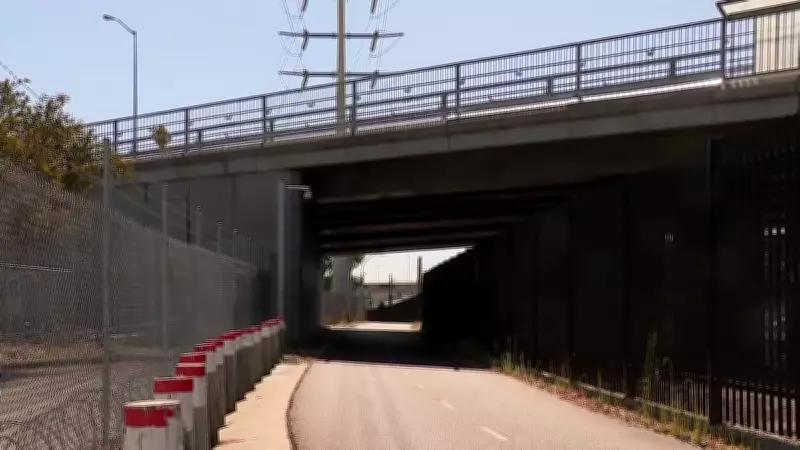
A high-pitched noise device has been installed at a Perth underpass, leading critics to condemn it as a disturbing example of hostile architecture aimed at homeless people. The device, located at the Lord Street underpass near a train line in East Perth, emits a piercing buzzing sound and was placed alongside multiple no camping signs in the area.
Authorities Respond and Device Deactivated
The Public Transport Authority has confirmed that the City of Perth requested the installation of the device. However, they have now turned it off while collaborating with the council to determine a more suitable approach. This decision comes amid growing public backlash and concerns about the impact on vulnerable individuals.
First-Hand Accounts from Homeless Individuals
Matthew Swain, who has been sleeping rough for approximately two years, reported encountering the disturbing noise at various locations across the city. "It's definitely really loud under the underpass," Swain said. He added that he avoids staying there due to the noise and respect for others' spaces, noting it is a known spot for some homeless groups. Swain also mentioned similar devices in other areas, such as Wilson's car parks, forcing him to leave immediately due to the discomfort.

Historical Context and Broader Criticism
This incident is not the first time a Western Australian council has faced criticism over anti-homeless measures. For instance, the City of Bunbury previously apologised to the Wiggles after using one of their songs to deter anti-social behaviour at a site frequented by homeless people. In response to the current situation, the City of Perth stated that the device is part of a broader safety approach and is not intended to target homelessness. A spokesperson explained, "The device forms one part of a broader safety approach and was implemented in response to requests for action to help improve the safe use of the space."
Advocates and Political Leaders Voice Concerns
Homeless advocates have strongly criticised the council's decision. Michael Chester from Uniting WA described it as a "disturbing use of hostile architecture" and expressed disappointment that deterrence is being prioritised over collaborative solutions to support rough sleepers. WA Premier Roger Cook also weighed in, stating, "This isn't what we do in Western Australia. We try to avoid persecuting or making life uncomfortable for people who are homeless and already dealing with a great deal of discomfort."
Ongoing Discussions and Future Implications
The controversy highlights ongoing debates about urban design and social welfare. As authorities review the device's use, there is a call for more compassionate approaches to address homelessness and public safety. The situation underscores the need for policies that balance community concerns with the rights and well-being of vulnerable populations.