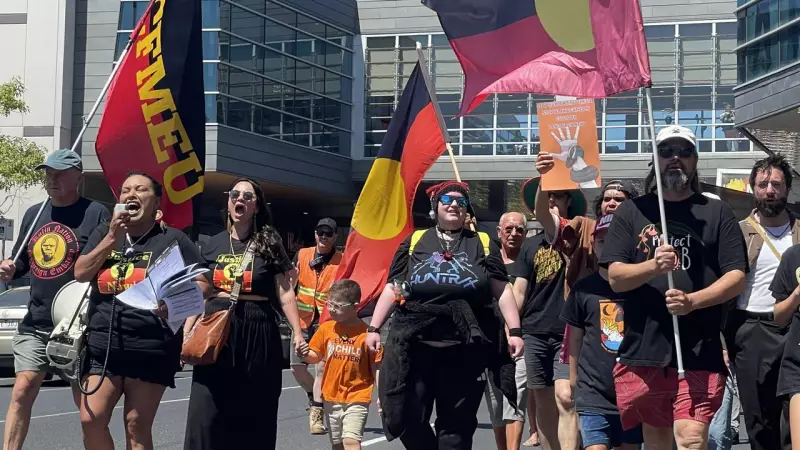
Geelong Councillor Opens Up About Australia Day Decision at Invasion Day Rally
A Geelong councillor has publicly revealed his personal struggle and internal conflict over the city's recent and highly controversial backflip on Australia Day celebrations. Speaking at an Invasion Day rally in the region, the councillor provided a candid account of the emotional and political challenges he faced during the decision-making process that has sparked significant debate within the community.
Personal Turmoil Over a Contentious Issue
The councillor described feeling torn between various pressures, including community expectations, historical sensitivities, and his own principles regarding the date of January 26th. This date, known as Australia Day to some and Invasion Day to others, marks the arrival of the First Fleet in 1788 and is a source of ongoing national discussion about Indigenous recognition and reconciliation.
In his address to the rally attendees, the councillor emphasised that the decision to change Geelong's approach to Australia Day events was not made lightly. He acknowledged the deep divisions it has caused among residents, with some supporting the move as a step towards greater inclusivity and others viewing it as an affront to tradition.

Community Reactions and Ongoing Debate
The backflip by the Geelong City Council has led to a polarised response from locals, reflecting broader national conversations about how to appropriately commemorate this date. Proponents of the change argue that it is a necessary acknowledgment of the painful history for Aboriginal and Torres Strait Islander peoples, while opponents feel it undermines Australian identity and heritage.
At the Invasion Day rally, the councillor's remarks were met with a mix of support and criticism, illustrating the complex nature of the issue. He stressed the importance of continuing dialogue and understanding different perspectives to foster unity in Geelong.
Implications for Local Governance and Future Events
This revelation sheds light on the difficult decisions faced by local government officials when navigating culturally sensitive topics. The councillor's struggle highlights the balancing act required to represent diverse community views while advocating for progressive change.
As Geelong moves forward, the council's handling of Australia Day is likely to influence future policies and events in the region. The councillor's openness at the rally may encourage more transparent discussions about Indigenous issues and civic responsibilities in the area.