The issue of immigration is poised to become the dominant political battleground in Australia this summer, with the federal Opposition signalling a major policy shift and the Government preparing to defend its record. The debate centres on the level of net overseas migration and its impact on housing, infrastructure, and cost of living.
Opposition Pledges Sharp Reduction in Migration Intake
In a significant move, the federal Opposition has announced it will campaign on a platform to substantially reduce Australia's immigration intake. While a specific numerical target has not been publicly released, the policy direction is clear: a commitment to cut net overseas migration from its current levels. The Opposition argues that the present rate of migration is exacerbating pressure on the housing market, straining public services, and contributing to the cost-of-living crisis faced by many Australians.
The Opposition's immigration spokesperson has framed the issue as one of "sustainability and planning," contending that population growth has outpaced the nation's capacity to build adequate homes and infrastructure. This stance is expected to form a cornerstone of their policy agenda heading into the next election cycle, appealing to voters feeling the pinch in major cities and regional hubs.

Government Defends Policy Amidst Growing Scrutiny
The Federal Government, led by Prime Minister Anthony Albanese, is standing firm on its current immigration settings. Government ministers have defended the migration program as essential for addressing critical skill shortages in sectors like healthcare, construction, and technology. They argue that migrants are vital to filling workforce gaps that would otherwise hinder economic growth and service delivery.
Furthermore, the Government points to recent reforms aimed at tightening visa integrity and reshaping the migration mix towards skilled workers. Officials maintain that their approach is balanced, aiming to support the economy while making adjustments to the system. The political challenge for the Government will be to convincingly argue that its management of migration is responsible and in the national interest, countering the Opposition's narrative of excess.
A Nation Grappling with Capacity and Growth
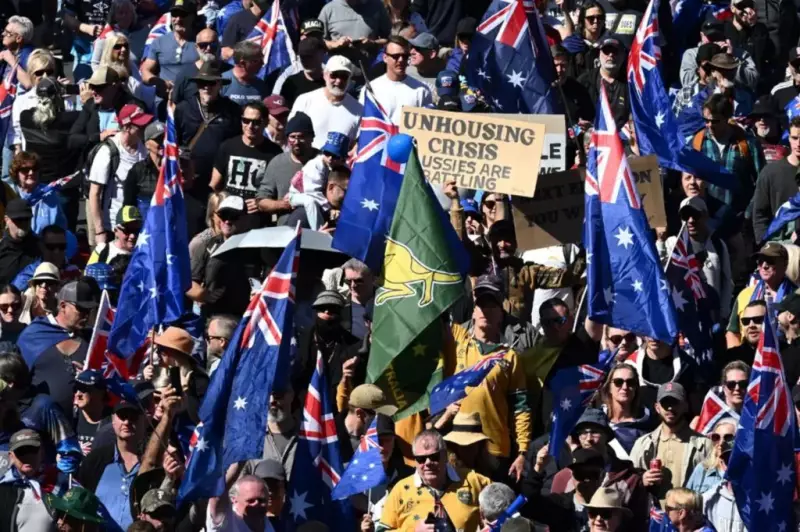
The resurgence of immigration as a top-tier political issue reflects broader community anxieties. The intersecting pressures of housing affordability, rental vacancies, and congested infrastructure in capital cities have brought the question of population growth into sharp focus. Economists and policy experts are divided, with some warning that drastic cuts could stifle the economy, while others call for a "pause" to allow infrastructure to catch up.
This summer's political discourse will likely see both major parties refining their messages on this complex topic. The Opposition will seek to capitalise on voter frustration, while the Government will emphasise economic necessity and its reform agenda. The debate extends beyond simple numbers, touching on Australia's future economic shape, urban planning challenges, and social cohesion.
As parliament rises and politicians return to their electorates, the immigration debate is set to follow them, playing out in community forums, media commentary, and everyday conversations. The outcome of this summer's contest of ideas will significantly influence the policy platforms presented to the Australian people at the next federal election.