Two Chinese nationals have been located in a remote area of Western Australia's Kimberley region, with authorities strongly suspecting they are asylum seekers who arrived by boat. The pair were found unharmed after what appears to have been a perilous maritime journey.
Discovery in Harsh Terrain
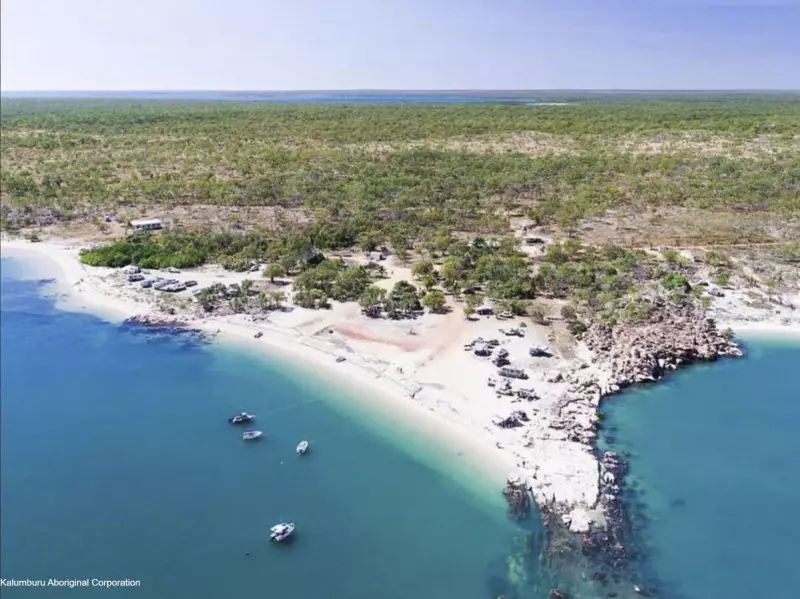
The individuals were discovered near the Drysdale River in the far north Kimberley, an area known for its extreme isolation and difficult terrain. They were found by a local Indigenous ranger group on Thursday, May 16. Despite the harsh environment, which includes crocodile-infested waters and dense bushland, both men were reported to be in good health and did not require medical treatment.
Initial investigations by the Australian Border Force (ABF) and the Australian Federal Police (AFP) point to the men being part of an illegal maritime arrival. Their discovery has triggered a multi-agency response, with the ABF taking the lead on the case. The men are currently in immigration detention while their claims and the circumstances of their arrival are thoroughly examined.

Investigation into Possible People Smuggling Route
This incident has raised significant concerns about a potential new people smuggling route targeting Australia's vast and sparsely populated northern coastline. The Kimberley coast, with its thousands of kilometres of remote shoreline, presents a formidable challenge for maritime surveillance.
Authorities are working to piece together the men's journey. It is believed they travelled from China to Indonesia before attempting the final, dangerous leg to Australia by boat. The exact point of their landing remains unclear, as does whether they were part of a larger group. The ABF has stated that operations are ongoing to determine if there are other individuals involved or if further vessels are in the area.
Broader Implications for Border Security
The arrival highlights the ongoing pressures on Australia's border protection framework. A spokesperson for Home Affairs Minister Clare O'Neil emphasized the government's stance, stating, "Any attempt to reach Australia by boat without a valid visa will not succeed." The government maintains its policy of turning back boats where safe to do so and detaining those who manage to land.
This event marks a rare but serious breach of Australia's offshore borders. It serves as a stark reminder of the lengths some individuals will go to seek asylum and the constant vigilance required by border protection agencies. The investigation continues, with a focus on disrupting any people smuggling networks that may be attempting to exploit this remote route into Australia.