Asian Nations Australia Depends on for Fuel Implement Emergency Protections
Several key Asian nations that Australia relies on for refined fuels have begun implementing emergency measures to safeguard their own domestic needs in response to the escalating global energy crisis. Experts are warning of a potential supply cliff if the ongoing conflict in the Middle East persists, threatening fuel availability in Australia.
Emergency Actions by Major Suppliers
South Korea, Singapore, Malaysia, and China have all taken varied steps to protect their fuel supplies. These measures range from export bans or caps to demand-side restrictions, such as limiting domestic travel. South Korea, Australia's largest supplier of diesel and second-largest supplier of petrol, has recently initiated worst-case scenario protocols. The government under President Lee Jae-myung has urged citizens to use bicycles and public transport, while public servants are encouraged to work from home and adhere to a five-day vehicle rotation system. Additionally, South Korea has tightened export controls and plans to release an emergency budget.
Previously, South Korea had already reduced exports to their 2025 monthly levels, but new restrictions on Naphtha—known as Shellite in Australia—will be implemented starting Friday. Refiners and importers will also be required to provide daily reports on the situation.

Government Response and International Diplomacy
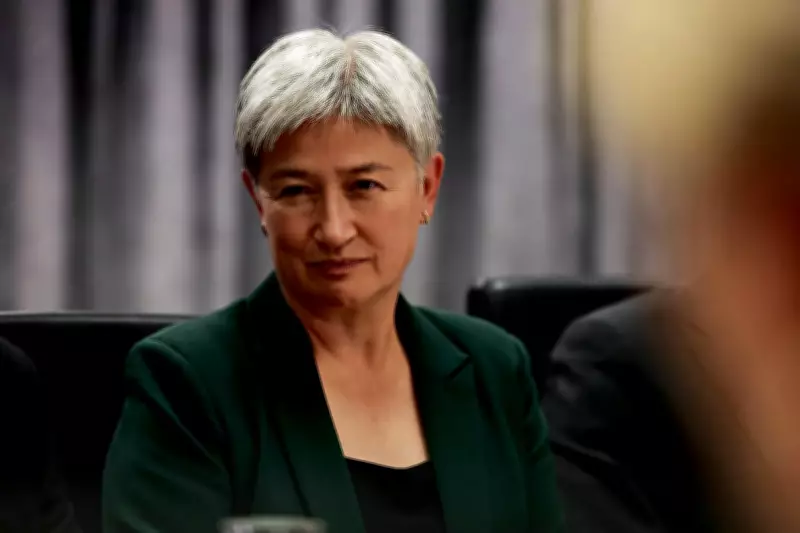
Foreign Minister Penny Wong addressed the Senate on Thursday, stating that the Federal Government is collaborating with international partners to ensure ships continue to arrive in Australia. She reiterated condemnation of Iran's de facto closure of the Strait of Hormuz, a critical waterway for global oil shipments. Iran has denied closing the strait, claiming that "non-hostile vessels" can pass with permission from Tehran, though no list of exempt nations has been provided.
Senator Wong emphasized, "The majority of Australia's refined fuel comes from the Asian markets that are heavily exposed to Middle Eastern supplies." She explained that reductions in supply to Asian refineries are directly impacting Australia, leading the government to urge Australians to conserve fuel usage. "That surge in demand, combined with logistical challenges across the supply chain, is now contributing to instances where petrol stations run out of fuel," she added.
Industry Concerns and Regional Impacts
Rowan Lee, chief executive of the Australasian Convenience and Petroleum Marketers Association, noted that while ships are still arriving, the situation is unprecedented. "We're definitely in uncharted territory," he said, highlighting that industry veterans have never seen such conditions. He stressed that monitoring China's actions will be crucial, as China supplies over 30% of Australia's jet fuel and has begun restricting its fuel exports.
Malaysia, Australia's third-largest supplier of refined fuels, has also adopted a domestic-first policy. In a move to bolster energy security, Prime Minister Anthony Albanese issued a joint statement with Singapore Prime Minister Lawrence Wong, agreeing to maintain the flow of refined petrol and diesel to Australia in exchange for liquefied natural gas to Singapore. The statement reaffirmed their commitment to strengthening energy security and ensuring the continued trade of essential goods.
Senator Wong vowed that the government is exploring every practical measure to shield Australians from the impact, crediting previous diplomatic engagement with regional counterparts for aiding in the crisis response. "The Government has spent every day since we came to office working to strengthen our international relationships, particularly in our region," she said, highlighting ongoing cooperation with countries including the Republic of Korea, Malaysia, Singapore, China, India, and Japan.