Trump's War Gamble Sparks Oil Shock and Political Backlash
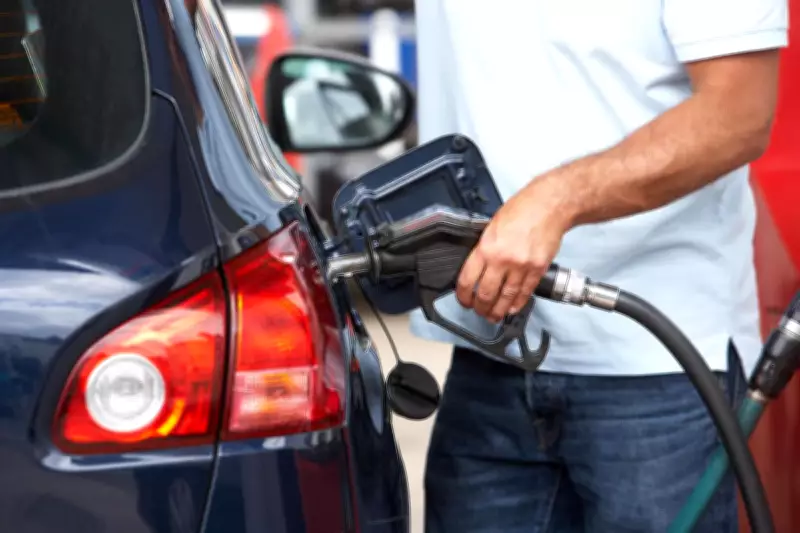
Perth motorists are facing relentless pain at the petrol pumps, with prices continuing to surge amid the global uncertainty fueled by the US-Iran conflict. This economic turmoil is unfolding as the White House insists Republicans should not panic, despite clear signs of distress among voters and within the party itself.
Economic Fallout from the Conflict
Although President Donald Trump claims to have "destroyed 100% of Iran's Military Capability," the residual impact is wreaking havoc on the global economy by choking off 10-15 percent of the world's oil supply. This war of choice is proving deeply unpopular with American voters, surpassing the disapproval levels of recent conflicts, and significantly shortening the odds of a Republican defeat in the upcoming November midterms.
"It's a wild mess," observes Curt Mills of the American Conservative, highlighting the chaotic political landscape. Vexed by negative media coverage, Trump has lashed out at critical outlets, labeling them "Corrupt and Highly Unpatriotic." On March 15th, he expressed enthusiasm that his Federal Communications Commission might review the broadcast licenses of those he accuses of peddling "FAKE NEWS." However, one undeniable source of grim news remains the signs outside petrol stations, where motorists daily confront stark reminders of escalating fuel costs.

Political Repercussions and Voter Sentiment
The pain is particularly acute in states that supported Trump in the 2024 election. Due to lower petrol taxes typically implemented under Republican administrations, red states experience steeper price hikes at the pump compared to blue states when oil prices rise. Historical trends suggest that such fuel price increases often lead voters to turn against the incumbent president, as seen with Gerald Ford, Jimmy Carter, and George H.W. Bush, all of whom lost office following oil-price spikes.
Trump, who campaigned on promises to avoid wars and lower prices "on day one," is now grappling with the political cost of breaking both pledges. Approval of the war is negligible among Democrats, low among independents, and high among Republicans, but the number of Republicans who strongly approve has declined rapidly. Key demographic groups, such as young people and Latinos—who swung heavily in Trump's favor in 2024—spend a higher share of their income on petrol, exacerbating their discontent.
Local Voices and Electoral Implications
At Skip's Lounge, a billiards bar in Buxton, Maine, where politics, religion, and arm-wrestling are banned, patrons are nonetheless vocal about their grievances. "There's no reason to be doing any of this," says Bill Mitchell, whose rural building-supply firm is squeezed by higher diesel prices. His wife Jane, who runs a horse-boarding farm, fears rising fertiliser costs derived from natural gas.
Democrats are poised to potentially win the House and need only four seats to secure the Senate, with Maine emerging as a key battleground. Incumbent moderate Republican Susan Collins, whose campaign barely mentions the president, could be swept away by an anti-Trump wave. High turnout in Democratic primaries nationwide indicates energized Democratic voters, while Republicans appear downbeat. In Scarborough, Maine, a veteran named Josh, browsing camouflage jackets, admits he voted for Trump in 2024 and doesn't mind if Iran is turned "into a glass parking lot," but notes, "everyone's pissed about the gas prices."
Broader Economic and Global Impacts
All battleground states have witnessed petrol price rises of 20 percent or more. In North Carolina, where the Democratic Senate nominee is a popular ex-governor focusing on the cost of living and the Republican is a former oil lobbyist, betting markets give an 80 percent chance of a Democratic gain. Trump's attempts to remain optimistic, such as highlighting that the US is the world's largest oil producer and profits from price hikes, are perceived as insensitive by many. Theodore, an Uber driver in Georgia, another swing state, complains, "I don't think they're really concerned about what goes on in the everyday lives of regular people."

The war's duration will critically influence its effects on the global economy and American politics. Administration allies offer a bullish assessment, arguing that precise bombing has weakened Iran's regime, potentially leading to its overthrow or the emergence of a cooperative leader. They predict the conflict will end within weeks, with long-term benefits for American power. However, other conservatives are less optimistic, criticizing Trump's poor communication and failure to anticipate risks, such as Iran's retaliation against Gulf neighbors.
Strategic Challenges and International Relations
Trump now finds himself in "a horrible position," according to a top Republican, with Iran's cheap drones posing a persistent threat to oil infrastructure. The war has also highlighted the costs of mistreating allies, as Trump's transactional approach has left him with limited international support for reopening the Strait of Hormuz. Additionally, the conflict complicates America's relationship with Israel, with some officials resigning in protest, arguing that pressure from Israel drove the war despite no imminent threat from Iran.
Despite the turmoil, Trump may yet salvage some political capital if the war ends quickly and oil prices stabilize before the summer driving season. Success in bringing rogue regimes like Venezuela, Iran, and potentially Cuba to heel could provide boasting points. However, fears persist that the current course may lead "toward decline and chaos," as noted by a resigned counterterrorism official. The coming months will be crucial in determining whether Trump can navigate this crisis or face further backlash at the polls.