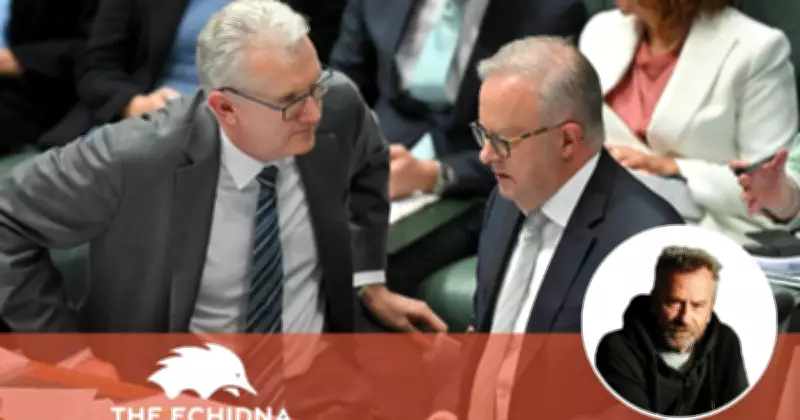
Tony Burke's Detailed Response on ISIS Brides' Passports Sparks Debate
In a recent parliamentary session, Tony Burke, a prominent Australian politician, delivered a lengthy and intricate answer regarding the issue of passports for ISIS brides, an incident that has since been humorously referred to as the "Echidna answer." This response has ignited significant discussion across political circles and the public, highlighting the delicate balance between national security concerns and legal obligations.
The Context of the ISIS Brides Issue
The controversy centers on Australian women who traveled to join ISIS in conflict zones and now seek to return home. Their requests for passports or re-entry have raised complex questions about citizenship, security risks, and humanitarian considerations. Burke's answer addressed these multifaceted aspects, emphasizing the need for a nuanced approach that considers both safety protocols and individual rights under Australian law.
Analysis of Burke's "Echidna Answer"
Burke's response was characterized by its thoroughness, covering various legal precedents, international agreements, and domestic policies. He explained that decisions on passport issuance involve assessments by security agencies, legal reviews, and considerations of Australia's international commitments. The term "Echidna answer" emerged from the detailed and prickly nature of his explanation, much like the spiny animal, suggesting a defense against simplistic criticisms.

Key points from his answer include:
- The importance of adhering to due process and avoiding arbitrary denials of citizenship rights.
- Collaboration with allied nations to manage security threats posed by returning foreign fighters and their associates.
- The role of intelligence agencies in evaluating individual cases to determine potential risks.
Political and Public Reactions
Reactions to Burke's answer have been mixed. Supporters applaud his commitment to legal rigor and transparency, arguing that such complex issues require detailed explanations to prevent hasty decisions. Critics, however, contend that the response was overly verbose and could be perceived as evasive, especially from those advocating for stricter security measures against individuals linked to terrorist organizations.
This debate reflects broader tensions in Australian politics regarding how to handle cases involving national security and human rights. It also underscores the challenges faced by policymakers in navigating international law while protecting domestic interests.
Implications for Australian Policy
The discussion around ISIS brides' passports is likely to influence future policy developments. It may lead to reforms in how passport applications are processed for individuals with suspected terrorist affiliations, potentially involving more streamlined procedures or enhanced oversight mechanisms. Additionally, this case highlights the ongoing need for public education on the legal frameworks governing such sensitive matters.
In conclusion, Tony Burke's "Echidna answer" serves as a pivotal moment in the ongoing discourse on national security and citizenship in Australia. By providing a comprehensive overview of the issues at hand, it encourages a more informed public debate and underscores the complexity of balancing security imperatives with legal and ethical considerations.