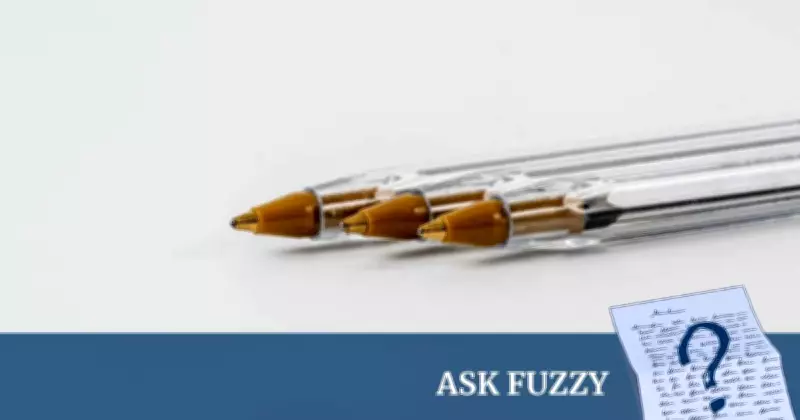
The Intricate Science Behind the Tiny Ball in a Ballpoint Pen
Have you ever wondered about the tiny ball in a ballpoint pen? This small component is a marvel of modern engineering, playing a crucial role in the pen's functionality. The process of making this ball involves precise manufacturing techniques and advanced materials science, ensuring smooth and reliable writing.
The Manufacturing Process
The tiny ball, typically made from tungsten carbide or stainless steel, is produced through a highly controlled manufacturing process. First, raw materials are selected for their durability and smoothness. Tungsten carbide is often preferred due to its hardness and resistance to wear, which is essential for long-lasting performance.
Next, the material is shaped into small spheres using a method called precision grinding. This involves grinding the material against a rotating wheel or other abrasive surfaces to achieve a perfectly round shape. The balls are then polished to an extremely smooth finish, often with tolerances as tight as a few micrometres, to ensure they roll effortlessly on paper.

Quality Control and Testing
After manufacturing, each ball undergoes rigorous quality control tests. These include checks for roundness, surface smoothness, and size consistency. Any imperfections can affect the pen's writing quality, leading to skips or smudges. Advanced optical and mechanical instruments are used to verify that each ball meets strict standards before it is assembled into the pen tip.
The assembly process involves placing the ball into a socket at the end of the pen's ink reservoir. This socket is designed to hold the ball securely while allowing it to rotate freely, distributing ink evenly as it moves across the writing surface. The fit must be precise to prevent ink leakage while maintaining smooth ball movement.
Historical Context and Innovations
The ballpoint pen was invented in the late 19th century, but it wasn't until the mid-20th century that manufacturing techniques advanced enough to produce reliable balls. Early versions used materials like brass, which wore out quickly. Today, innovations in materials and production have led to more durable and efficient pens, with the tiny ball being a key factor in their success.
In recent years, there have been developments in using ceramic or other composite materials for the ball, offering even greater longevity and performance. These advancements highlight the ongoing evolution in pen technology, driven by the need for better writing instruments in various applications, from everyday use to specialized fields.
Conclusion
The tiny ball in a ballpoint pen is a testament to human ingenuity and precision engineering. From material selection to final assembly, every step is carefully controlled to create a component that millions rely on daily. Understanding this process not only satisfies curiosity but also underscores the importance of manufacturing excellence in everyday objects.