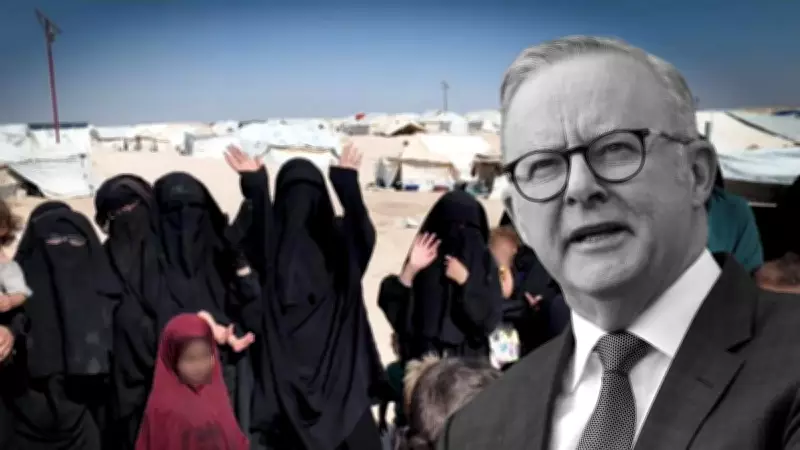
Albanese Confronts High-Stakes Decision on ISIS Brides' Repatriation
Prime Minister Anthony Albanese is under intense pressure to make a definitive and correct call regarding the potential return of Australian women who joined ISIS, along with their children, to the country. This issue presents a multifaceted challenge, intertwining national security concerns with humanitarian considerations and legal obligations.
Balancing Security Risks and Human Rights
The situation involves dozens of Australian citizens, primarily women and their offspring, who are currently detained in camps in Syria after associating with the Islamic State terrorist organization. Albanese's administration must carefully evaluate the security threats posed by allowing these individuals back into Australia, as some may have been radicalized or involved in supporting terrorist activities.
Simultaneously, there are compelling arguments centered on human rights and the welfare of innocent children caught in this predicament. Many of these minors were born into conflict zones and have known little beyond the confines of detention camps, raising ethical questions about their future and Australia's responsibilities under international law.

Legal and Diplomatic Complexities
The decision is further complicated by intricate legal frameworks and diplomatic considerations. Australian law mandates strict counter-terrorism measures, yet there are also provisions for the protection of citizens, especially children. Albanese must navigate these conflicting statutes while coordinating with international partners and agencies overseeing the camps in Syria.
Experts highlight that any repatriation process would require robust risk assessments, potential deradicalization programs, and ongoing monitoring to mitigate security threats. This could strain resources and test the capabilities of Australia's intelligence and law enforcement agencies.
Political and Public Opinion Dynamics
Domestically, the issue has sparked heated debate, with opinions divided along lines of security versus compassion. Some advocate for a firm stance to prevent any potential threats, while others urge a humanitarian approach, particularly for the children. Albanese's decision will likely have significant political ramifications, influencing public trust and his government's standing on national security matters.
As the Prime Minister deliberates, he must consider precedents set by other nations, such as the United States and European countries, which have grappled with similar dilemmas. Their experiences offer valuable lessons but also underscore the unique aspects of Australia's legal and security context.
Path Forward for the Albanese Government
Ultimately, Anthony Albanese's call on this matter will define his leadership on counter-terrorism and human rights. A balanced approach might involve case-by-case evaluations, prioritizing children's safety while implementing stringent security protocols for adults. This could include repatriation under strict conditions, such as surveillance and participation in rehabilitation programs.
The decision requires not only immediate action but also long-term planning to address the integration and monitoring of returnees. Albanese's administration must ensure transparency and communicate its rationale clearly to the Australian public, fostering understanding and support for whatever path is chosen.
In conclusion, the ISIS brides issue is a critical test for Prime Minister Albanese, demanding a nuanced and well-informed response that safeguards national interests while upholding ethical standards. His leadership in this complex arena will be closely watched both domestically and internationally.