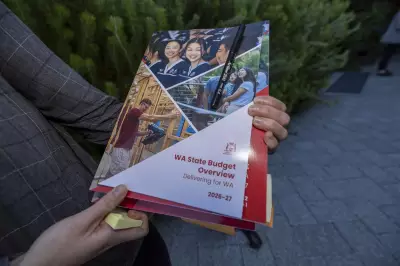
Treasurer Jim Chalmers has delivered his fifth federal budget, the first since the 2025 election, describing it as the most important and ambitious in decades.
Budget overview
Chalmers said the budget addresses global challenges while seizing opportunities for Australia. Key measures include reforms to negative gearing and capital gains tax, aimed at helping 75,000 first homebuyers over the next decade.
Winners
- First homebuyers: Reforms to negative gearing and capital gains tax concessions are forecast to assist 75,000 people enter the housing market within ten years.
- Taxpayers: Legislated tax cuts for all Australian workers will continue on July 1, 2026 and July 1, 2027. The $1000 instant deduction applies for 2026-27 returns, and the $250 Working Australians Tax Offset will benefit over 13 million workers from 2027-28.
- Small business: The $20,000 instant asset write-off becomes permanent from July for businesses with annual turnover under $10 million.
- PBS customers: $5.9 billion will fund new medicines on the Pharmaceutical Benefits Scheme, including treatments for cystic fibrosis, chronic kidney disease, and various cancers.
- Great Barrier Reef: Over $90 million allocated over two years for reef protection and restoration.
Losers
- Foreign property buyers: A temporary ban on foreign purchases of established homes is extended to July 2029.
- Shoppers and drivers: Inflation remains at 5% to the June quarter, with little relief at checkout or petrol bowser due to ongoing Iran war pressures.
- Future property investors: Changes to negative gearing and capital gains tax take effect from mid-2027.
- Illegal tobacco traders: Over $36 million allocated to crack down on illicit tobacco and nicotine trade.
- NDIS fraudsters: Strengthened investigative and enforcement capabilities for the National Disability Insurance Agency, with new controls to protect participants.
- Electric vehicle buyers: The fringe benefits tax exemption for EVs will become less generous over time.
- Outsourced talent: External consultants, contractors, and labour hire face $2.7 billion in savings by 2029-30, including cuts to travel, hospitality, and property expenses.
The budget also includes measures to address inflation, which is forecast at 5% through the year to the June quarter, and ongoing supply constraints linked to global conflicts.

—