Andrew Hastie Edges Closer to Liberal Leadership Challenge
West Australian MP Andrew Hastie is reportedly within striking distance of securing the numbers needed to launch a challenge for the leadership of the Liberal Party, as internal tensions continue to simmer within the Opposition ranks.
Leadership Numbers Tighten
According to senior party sources, Hastie has been actively working the phones since returning from Canberra late last week, gathering support from disenchanted Liberals. The Canning MP is understood to have already secured the backing of more than twenty parliamentary colleagues, placing him in a tight contest with fellow contender Angus Taylor.
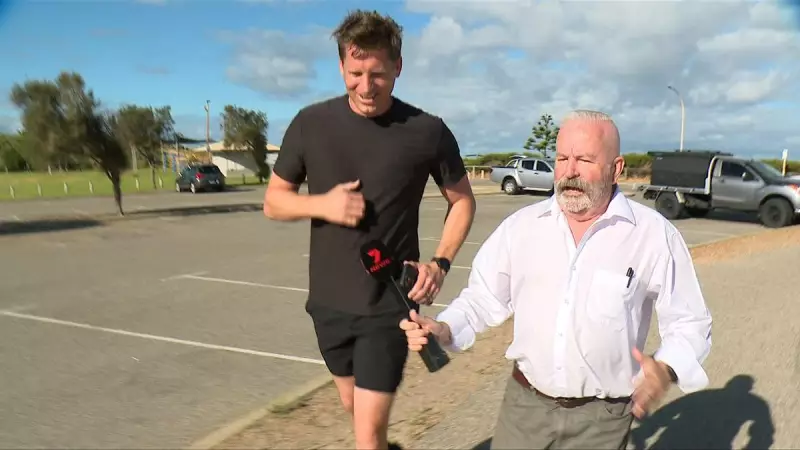
With just six additional votes needed to potentially secure the Opposition's top job, Hastie's leadership ambitions appear increasingly viable despite his public reluctance to discuss the matter. When approached by 7 News during a morning run on Sunday, the MP maintained his position of privacy regarding party matters.

"I just don't want to talk about party matters to the media, it's just not what we do," Hastie stated, adding when pressed about leadership speculation: "There are a lot of suggestions out there. I'm not going to comment on the leadership, I want to keep my thoughts private."
Coalition Turmoil Escalates
The leadership rumblings have intensified following the Coalition's second split since last year's Federal election. The political alliance fractured last week after Opposition Leader Sussan Ley accepted the resignations of three National Party frontbenchers who broke ranks with Liberal Party policy.
The resignations of Nationals senators Bridget McKenzie, Susan McDonald, and Ross Cadell came after they voted against Labor's legislation targeting hate groups and radical Islamic preachers, a position contrary to the official shadow cabinet stance. This prompted Nationals leader David Littleproud and his entire frontbench to quit the shadow ministry.
Liberal sources indicate a leadership challenge was expected to be addressed at a party room meeting in Canberra within the next fortnight, though some disgruntled MPs are pushing for quicker resolution.
Internal Divisions and External Criticism
Within Liberal ranks, there is reported anger directed at David Littleproud for what many perceive as intervention in the senior coalition partner's affairs. Littleproud has denied demanding Ley's resignation during a phone call but maintains that reinstatement of the three Nationals senators is necessary for reconciliation.
Meanwhile, Sussan Ley remains defiant about her leadership position. When questioned on Sunrise about whether she would still be leader next month, Ley responded unequivocally: "Yes I will, and I'm backed by my Liberal Party in the decisions that I've made to date."
She also left open the possibility of Coalition reunification, stating: "The door between a coalition, between our two parties, from my point of view, is still open. But I'm not looking at that door. I'm looking at the Australian people because they're counting on us to deliver for them."
Competition and Political Fallout
Hastie's main rival, Angus Taylor, continues to sound out colleagues about the party's direction as he prepares to return from Europe. One senior MP claims Taylor holds an advantage with support from the influential NSW branch of the Liberal Party.
The political instability has not gone unnoticed by the Government. Prime Minister Anthony Albanese has suggested sexism and misogyny may be factors in the push to oust Ley, accusing the Liberal Party of undermining its first female leader "from day one."
"(The Liberals and the Nationals) certainly don't like each other but they also don't like each other within their parties – the Liberals don't like other Liberals and the Nats don't like other Nats," Albanese stated on Friday.
Treasurer Jim Chalmers has also capitalized on the Opposition's difficulties, describing the Coalition as a "smoking ruin" unfit to govern the country.
As the leadership contest continues to unfold, Liberal frontbencher Julian Leeser has publicly backed Ley, offering his "unequivocal support" and praising her leadership during what he described as a period of national crisis.