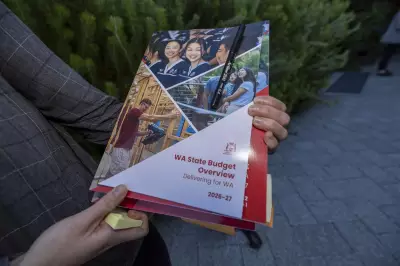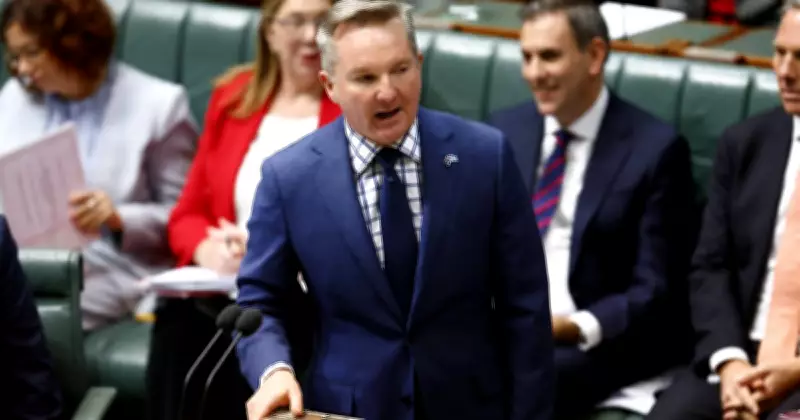
Treasurer Jim Chalmers has announced a budget that saves $638 billion over the next four years without raising taxes. The savings are achieved through spending cuts and reprioritising government projects, marking a significant shift in fiscal strategy.
Key Savings Measures
The budget identifies savings from various areas, including reducing waste in government programs and delaying or cancelling non-essential projects. Chalmers emphasised that these measures are designed to strengthen the economy without burdening taxpayers.
Impact on Government Spending
According to the Treasurer, the savings demonstrate the government's commitment to fiscal responsibility. He stated that the budget avoids the need for new taxes by focusing on efficiency and prioritising spending on essential services.

The $638 billion in savings is expected to help reduce the national debt and provide a buffer against future economic shocks. Economists have noted that this approach could improve confidence in the government's financial management.
Reactions and Analysis
Opposition parties have criticised the budget, arguing that some spending cuts could affect essential services. However, the government maintains that the savings are necessary to ensure long-term economic stability.
Industry groups have generally welcomed the budget, particularly the avoidance of tax increases. They see this as a positive signal for business investment and growth.
The budget will be debated in parliament over the coming weeks, with the government seeking support for its fiscal plan.