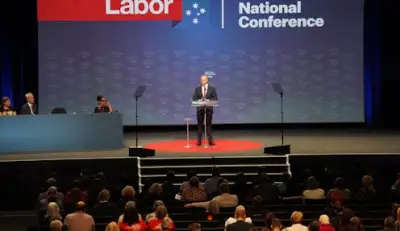
Industry leaders and government officials appeared at a short parliamentary inquiry examining Labor's proposed changes to negative gearing and capital gains tax, as business groups united to lobby against the reforms while others argued the tax package would help fix an unfair system.
Mark Zirnzak from the Tax Justice Network Australia told the inquiry that people who think they have something to lose fight very hard, but he believes the bill improves the common good of Australian society. Former head of the Australian Competition & Consumer Commission, Graeme Samuel, echoed this sentiment, saying private vested interests with loud megaphones have dominated the discussion.
However, Mike Zorbas, Chief Executive of the Property Council of Australia, disagreed, stating that property organisations are invested interests directly involved in Australia's prosperity, employing 1.4 million people. Bran Black, Chief Executive of the Business Council of Australia, warned that the capital gains tax changes would be a handbrake on investment, productivity, and economic growth, calling the process rushed and piecemeal.

David Alexander, Chief of Policy and Advocacy at the Australian Chamber of Commerce and Industry, expressed disappointment that such a consequential bill is being rushed, maximizing the risk of poor legislation. Treasurer Jim Chalmers is consulting with business groups on possible carve-outs for start-ups and small businesses, while the Tech Council of Australia argues that including start-ups would damage Australia's innovation economy.
With the Coalition firmly against the proposed changes, the fate of the bill rests with the Greens. Labor aims to pass the legislation by July 2, when Parliament rises for the winter break.