In 2019, the Morrison government was banking on a return to surplus, with then-Treasurer Josh Frydenberg declaring the budget would be back in the black by 2020-21. Fast forward to 2024, and the Albanese government is projecting a surplus for 2022-23, but the economic landscape has shifted dramatically.
The 2019 Budget Promise
The 2019 federal budget was built on the promise of a surplus, with the government forecasting a $7.1 billion surplus for 2020-21. This was based on optimistic assumptions about wage growth, commodity prices, and global economic conditions. The government argued that a surplus was essential for fiscal discipline and to pay down debt.
What Changed?
Several factors have upended those projections. The COVID-19 pandemic triggered massive government spending through JobKeeper and other support measures, blowing out the deficit to $134.2 billion in 2020-21. The subsequent recovery has been uneven, with inflation and interest rate rises affecting household budgets.

Additionally, global supply chain disruptions and the war in Ukraine have impacted commodity prices and economic stability. The Reserve Bank of Australia has raised interest rates 12 times since May 2022 to curb inflation, which has slowed economic growth.
The Current Budget Outlook
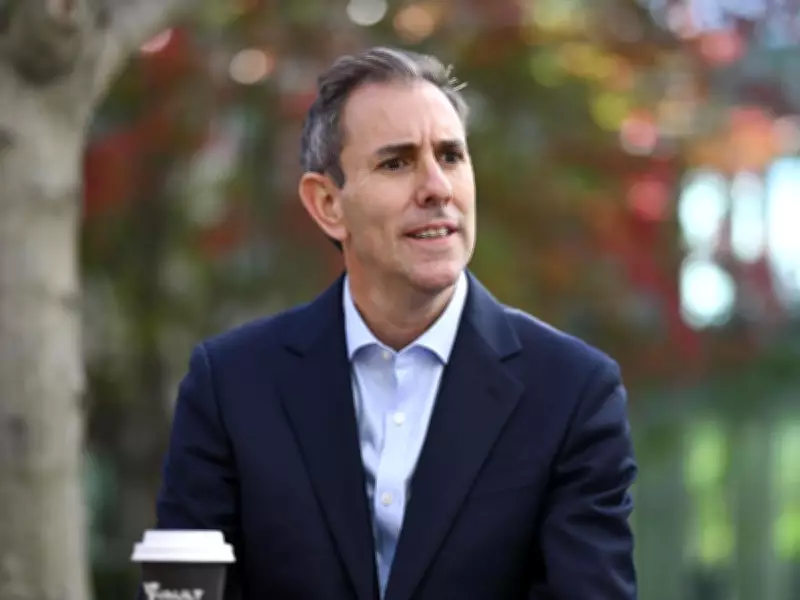
Treasurer Jim Chalmers has announced that the 2022-23 budget will deliver a surplus, though smaller than initially hoped. The government has focused on cost-of-living relief, such as energy bill rebates and increased rent assistance, while also investing in renewable energy and skills training.
However, structural challenges remain. Australia's net debt is projected to peak at $1 trillion by 2024-25, and the budget remains vulnerable to global economic shocks. Unlike 2019, the current government is not promising a return to surplus in the near term, instead emphasizing responsible economic management and targeted spending.
Key Differences
- Economic Context: In 2019, the economy was growing steadily with low inflation. Now, high inflation and rising interest rates pose challenges.
- Fiscal Strategy: The Morrison government prioritized surplus and debt reduction. The Albanese government focuses on cost-of-living and structural reforms.
- Spending Priorities: 2019 saw tax cuts and infrastructure spending. 2024 emphasizes health, education, and climate action.
Katina Curtis argues that governments cannot form budgets on vibes alone. The economic reality has forced a pivot from surplus obsession to pragmatic spending. While the goal of fiscal sustainability remains, the path has changed significantly since 2019.