Prime Minister Anthony Albanese's Architectural Haven in Sydney
Prime Minister Anthony Albanese calls a distinctive mid-century modern home in Sydney's inner west his residence, a property that reflects both architectural heritage and his personal life. This home, located in the suburb of Marrickville, stands as a testament to the post-war design era, characterized by clean lines, open floor plans, and integration with nature.
Architectural Details of the Home
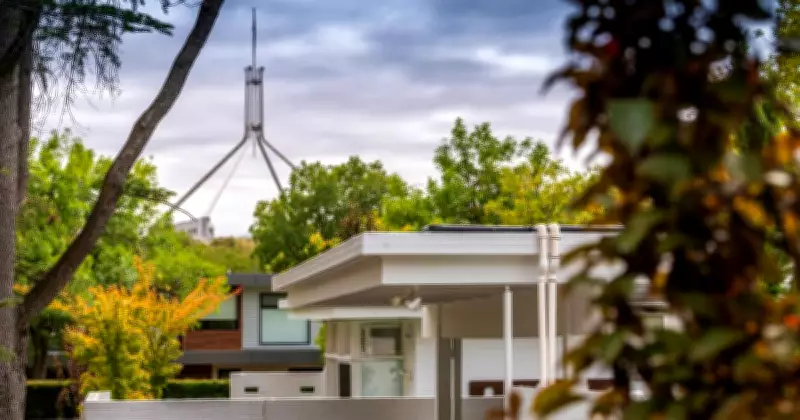
The property, built in the 1950s, features classic mid-century elements such as large windows that flood the interiors with natural light, flat or low-pitched roofs, and an emphasis on indoor-outdoor living. Its design prioritizes functionality and simplicity, aligning with the modernist movement that gained popularity in Australia during that period.
Albanese has owned this home for several years, and it serves as his primary residence when he is not in Canberra for parliamentary duties. The location in Marrickville places him in a vibrant, culturally diverse community, known for its cafes, parks, and artistic scene.

Blending Personal and Political Life
Living in this mid-century modern home offers Albanese a retreat from the high-pressure environment of federal politics. The architectural style, with its focus on harmony and efficiency, mirrors aspects of his political approach, which often emphasizes practicality and connection to everyday Australians.
Neighbors in the area have noted that Albanese is a familiar presence, often seen engaging with locals and participating in community events. This home base allows him to stay grounded while navigating the demands of his role as Prime Minister.
The property's value has appreciated over the years, reflecting the growing interest in mid-century architecture and the desirability of inner-west Sydney suburbs. It stands as a symbol of how personal spaces can intersect with public life, offering insights into the leader's tastes and lifestyle.
In summary, Anthony Albanese's mid-century modern home in Marrickville is more than just a residence; it is a piece of architectural history that complements his political journey, providing a serene backdrop to his leadership in Australian politics.