Australia Confronts Escalating Terrorism Threat as Lone Actor Extremism Surges
Australia is confronting a growing and increasingly complex terrorism threat, with security experts issuing stark warnings that lone actor extremism is on the rise and presents unique challenges for detection before violence erupts.
Transnational Online Ecosystem Fuels Extremism
Terrorism and extremism expert Dr Josh Roose told Sunrise on Friday that extremism is increasing internationally, creating unprecedented difficulties for law enforcement agencies. "You've got this online transnational ecosystem of extremism, and it's incredibly difficult, time-intensive, and resource-intensive to surveil absolutely everything," he explained.
Dr Roose emphasized that identifying key actors, particularly those operating at the fringes of extreme groups through online channels, has become critical for prevention efforts. "Knowing that this is on the rise is an important first step, and secondly, identifying key actors, particularly those at the fringe of some of these extreme groups who might be online, is critical," he stated.

Perth Invasion Day Incident Highlights Growing Concerns
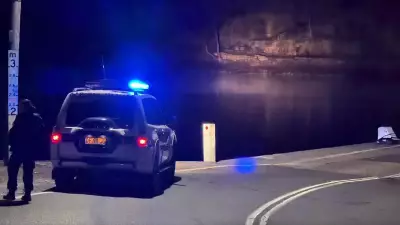
The warnings follow the alleged terror attack at a Perth Invasion Day rally, where authorities say a 31-year-old man threw a homemade bomb into a crowd. The device failed to detonate, potentially preventing what could have been a catastrophic loss of life.
This marks the first time terrorism charges have been laid in Western Australia for such an incident. Dr Roose noted that the nine-day delay before the incident was formally declared a terrorist act reflects the complexity of proving ideological motivation, particularly in cases involving alleged lone actors.
"It takes a significant amount of time to do the background work to identify that there was actually an ideological aim," Roose explained. "That meant going through devices and so on, hence the delay."
Second Alleged Terror Attack in Two Months
The Perth incident represents the second alleged terror attack in Australia within two months, following the Bondi attack that claimed 15 innocent lives. These consecutive events have intensified concerns about the evolving nature of extremist threats across the nation.
Dr Roose highlighted that formally classifying an incident as terrorism significantly expands police powers, enabling agencies to share intelligence more freely and compel online platforms to surrender data from suspects' devices and accounts. "It enables the net to be cast significantly wider, but also introduces tougher penalties," he noted.
Narrow Margins Between Prevention and Disaster
The Perth case, alongside the Bondi incident, underscores both the seriousness of the threat and the narrow margins by which disaster has been avoided. "This is obviously deeply concerning, and there is a lot of fear out there among some segments of the community in particular," Roose acknowledged.
He emphasized that national coordination between agencies remains crucial. "It's absolutely critical that we understand this is a national approach, the agencies are working together to address this."
In both alleged attacks, the failure of explosive devices highlighted the importance of disrupting access to materials, technology, and planning capabilities before violence can be carried out. "These require sophisticated high levels of planning. In Bondi, the bombs didn't go off, here the bombs didn't go off," Roose observed.
Sustained Investment in Security Measures Required
Dr Roose warned that without sustained investment in intelligence gathering, monitoring capabilities, and early intervention strategies, lone actor extremism will remain one of the most difficult and dangerous threats facing Australia's national security agencies.
The expert stressed that prevention efforts must focus on "preventing these individuals from accessing that technology and also placing them and using them effectively." He added that while authorities have been successful so far in preventing detonations, the threat landscape continues to evolve rapidly.

As Australia grapples with this changing security environment, experts agree that understanding the online transnational networks fueling extremism and adequately resourcing law enforcement agencies will be paramount to protecting communities from future attacks.