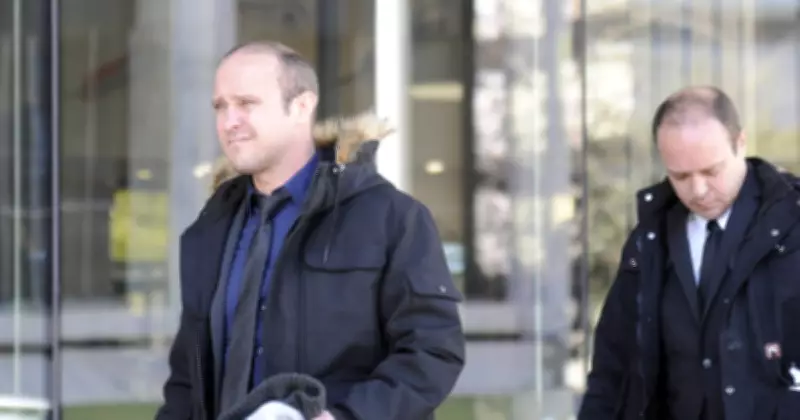
Twins Found Guilty Again in Hidden Camera Spying Saga
In a dramatic legal twist, identical twin brothers have been found guilty for a second time of spying on female tenants with hidden cameras in Canberra, despite a detective's perjury complicating the case. The long-running court battle has seen verdicts overturned and evidence disputes, but a recent magistrate's decision has reaffirmed their guilt.
Background of the Case
Former Australian Federal Police officer Joshua Rod Tiffen and his brother Kenan Lee Tiffen, an electrician, owned a property in Canberra where they installed covert cameras in bedrooms in 2019. Police discovered the devices hidden in television sets and behind small glass windows in a timber coat rack, targeting three female tenants.
The brothers were initially convicted in 2022, but their appeal was upheld by the ACT Supreme Court in 2023, and this decision was confirmed by the ACT Court of Appeal a year later. A key factor in their successful appeal was the exclusion of evidence from an HP laptop, which was deemed unlawfully obtained as police examined it after a 30-day time limit had expired.

Detective's Perjury and Its Impact
The lead detective, Trent Madders, has since been charged and pleaded guilty to perjury. In 2020, Madders falsely testified that he had been assured by the AFP forensics team that a mobile phone and the laptop were examined within the required timeframe. This lie undermined the prosecution's case, leading to the evidence being dismissed and the case being remitted to the ACT Magistrates Court for a new determination without it.
Recent Guilty Verdict
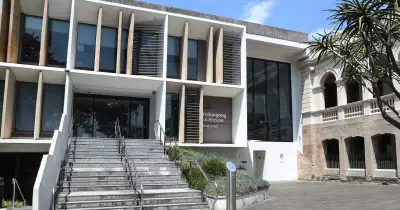
In a decision published on Wednesday, April 15, magistrate Glenn Theakston found the brothers guilty of attempting to capture indecent visual data in an invasion of privacy. The ruling, dated back to September 2025, was only made public now due to a suppression order. Theakston noted that while Joshua Tiffen's lie about owning miniature cameras for police work could indicate consciousness of guilt, it was unsafe to place much weight on it.
Additional Evidence and Planning
Other evidence used in the case included a WhatsApp conversation between the twins, which detailed plans for installing the cameras. The messages also discussed distributing indecent images for a fee and covertly viewing the female tenants remotely, further solidifying the prosecution's argument.
This case highlights ongoing issues with evidence handling and integrity in criminal proceedings, as the brothers' guilt was ultimately reaffirmed despite procedural setbacks.