Property Tycoon Theo Maras Ignites Debate on Orthodox Church and State Separation
This week, prominent property developer Theo Maras has taken center stage in a fiery public discourse, leading a series of letters to the editor that delve into the contentious issue of separating the Orthodox church from state affairs. The debate emerges against the backdrop of what many describe as an ugly turn in South Australia's ongoing election campaign, adding a layer of political tension to the religious discussion.
A Holy Debate Over Church Appointment
The controversy centers on a recent church appointment that has drawn significant public scrutiny. Maras, along with other InDaily readers, has voiced strong opinions on the matter, arguing for a clear demarcation between religious institutions and governmental influence. This call for separation comes at a time when the intersection of faith and politics is becoming increasingly visible in the state's electoral landscape.
In his contributions, Maras emphasizes the importance of maintaining secular principles in governance, suggesting that any overlap between church and state could undermine democratic processes. His stance has resonated with many readers, sparking a broader conversation about the role of religion in public life and its potential impact on policy decisions.

Election Turmoil and Political Implications
The debate has been further fueled by the current political climate in South Australia, where the election has taken what observers are calling an ugly turn. Maras's letters highlight concerns that religious affiliations might be influencing political appointments and campaigns, raising questions about fairness and transparency in the electoral process.
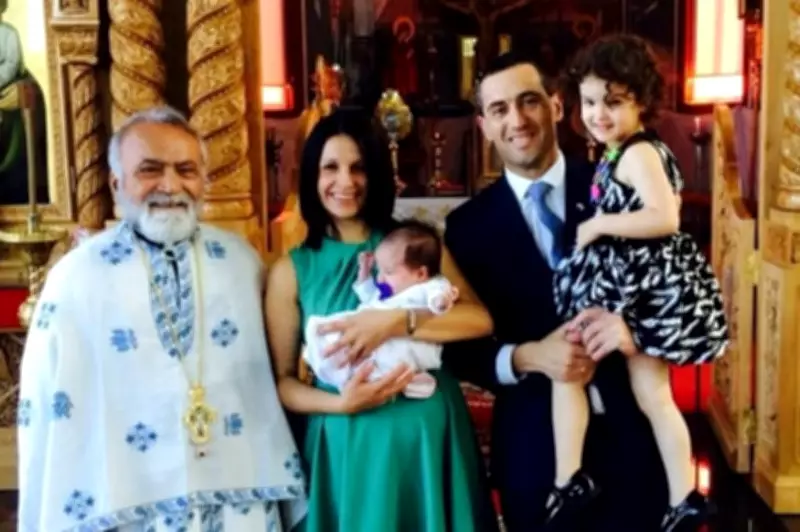
Adding to the complexity, Treasurer Tom Koutsantonis was recently pictured with Father Diogenis Patsouris, his wife Anthea, and their two children. The photo, shared on Koutsantonis's Facebook page, has become a focal point in the discussion, with critics arguing it blurs the lines between church and state. Supporters, however, view it as a harmless display of community engagement.
This incident underscores the delicate balance politicians must strike when interacting with religious leaders, especially during election periods. Maras and other commentators are urging for greater accountability and clarity to prevent any perceived conflicts of interest.
Broader Implications for Society
The letters led by Theo Maras are not just about a single appointment or photo; they touch on fundamental questions about secularism and democracy in modern Australia. As the debate continues, it prompts reflection on how societies navigate the relationship between faith and governance, ensuring that both spheres can coexist without compromising core values.
With the election looming, the outcome of this discussion could have lasting effects on public trust and political dynamics in South Australia. Maras's vocal stance serves as a reminder of the ongoing need for vigilance in preserving the separation of church and state, a principle that remains vital in a diverse and democratic society.