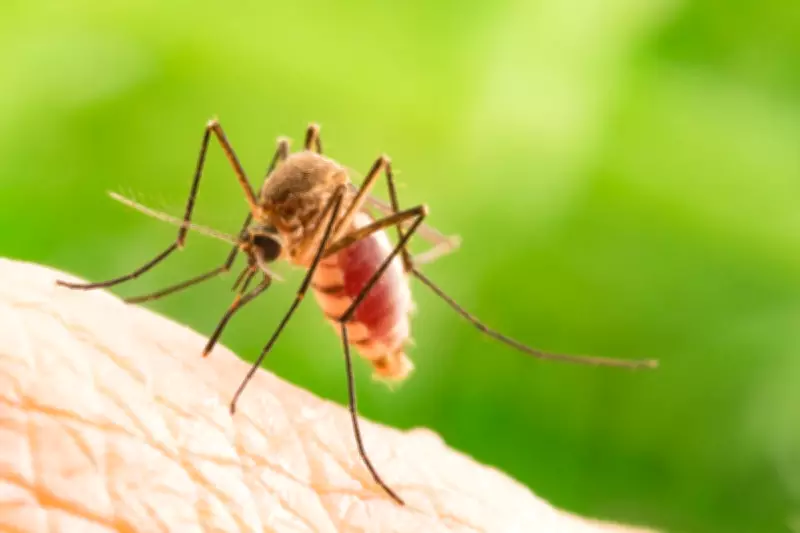
The Peruvian Ministry of Health has issued a significant warning for travelers planning to visit the country's jungle and rural regions, urging them to prioritise yellow fever prevention measures. This mosquito-transmitted disease is endemic in these areas, posing a health risk to visitors.
High-Risk Regions in Peru
Authorities have identified specific regions with elevated risk, including Amazonas in northern Peru bordering Ecuador, San Martin, Junin, Ayacucho, Loreto, Madre de Dios, Huanuco, Pasco, Puno, and Ucayali. Rural parts of Cusco are also affected, though urban areas like Cusco city, Machu Picchu, and the Inca Trail remain outside the warning zones.
Prevention Strategies for Travelers
For those traveling to high-risk areas, health officials recommend several protective steps. Vaccination against yellow fever before departure is strongly advised, as it provides lifelong immunity with a single dose. Additionally, travelers should use insect repellent, wear long-sleeved shirts and pants, and treat clothing and gear with permethrin.

Permethrin, a synthetic insecticide modelled after natural compounds in chrysanthemum flowers, is effective as a spray for repelling insects on fabrics and equipment. This multi-layered approach helps minimise exposure to disease-carrying mosquitoes.
Global Yellow Fever Context
According to Travelvax, yellow fever remains a concern in numerous countries worldwide. As of 2023, 34 nations in Africa and 13 in Central and South America have endemic regions for this infectious disease. The vaccine is noted as safe, affordable, and highly effective in preventing transmission.
Early Influenza Surge in Europe
In related travel health news, Europe is experiencing an unusually early increase in influenza activity. The Influenza A (H3N2) subclade K variant is driving this surge, accounting for nearly half of flu detections across the European Union and European Economic Area.
Laboratory analyses indicate reduced vaccine effectiveness against this strain, though early data from England suggests protection against severe outcomes remains consistent with recent seasons. Travelers to Europe should stay informed about local health advisories and consider precautionary measures.